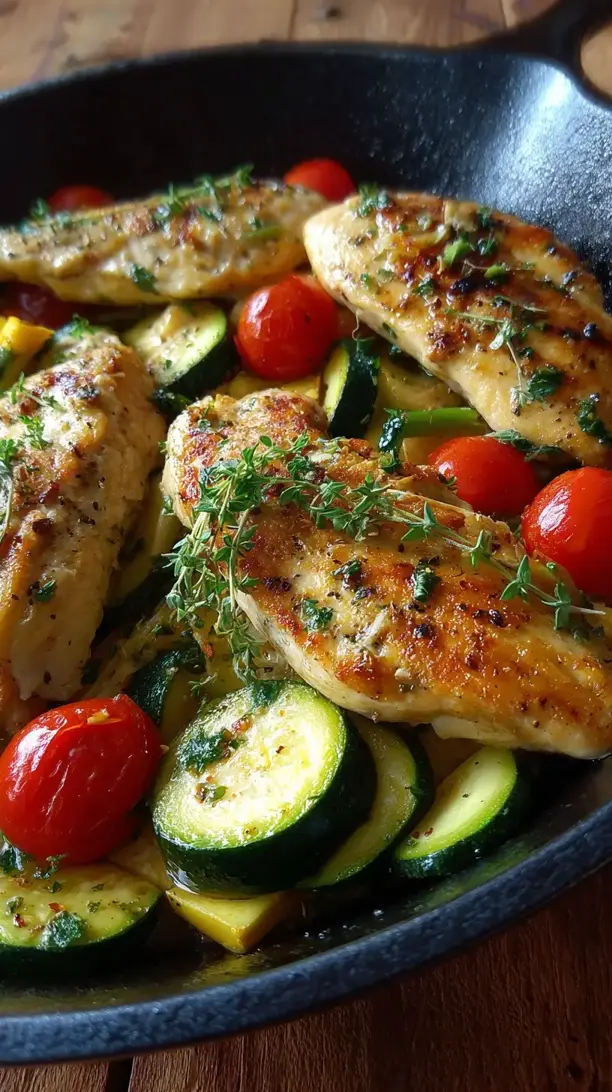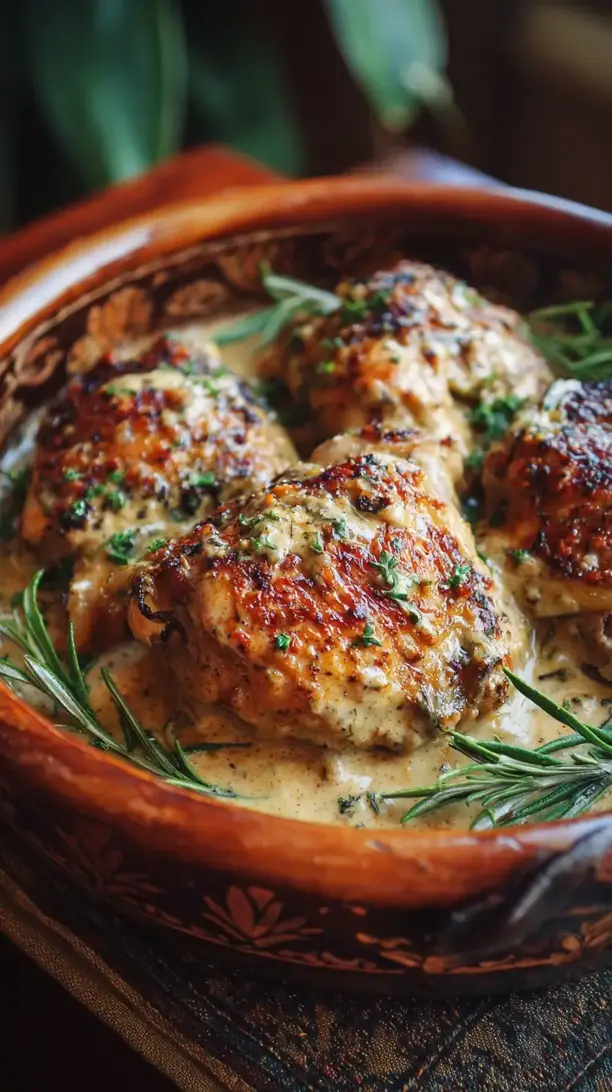
There’s something magical about a really good vodka sauce—creamy, tangy, with that subtle kick. This Vodka Sauce Chicken recipe brings that luxurious sauce together with tender, juicy chicken for a comforting meal that’s surprisingly easy to make. It’s a surefire way to impress on a weeknight.
Nothing beats a great Vodka Sauce Chicken. Whether you're a fan of Chicken Breast Recipes or want to try something from our Christmas Cookie selection, keep scrolling!


Why You’ll Love This Vodka Sauce Chicken
Restaurant-worthy comfort: Velvety sauce and tender chicken feel like a treat.
Perfectly balanced sauce: Bright tomatoes, rich cream, and a hint of warmth.
Surprisingly versatile: Serve over pasta, bread, or zucchini noodles.
Leftovers improve: Flavors deepen overnight for an even better next-day meal.
Ingredients & Tools
- 2 large boneless, skinless chicken breasts (about 1 lb or 450 g)
- 1 tbsp olive oil
- 1 small yellow onion, finely chopped
- 3 cloves garlic, minced
- 1/4 cup tomato paste
- 1/4 cup vodka
- 1 cup crushed tomatoes
- 1/2 cup heavy cream
- 1/4 cup grated Parmesan cheese, plus more for serving
- 1 tsp dried oregano
- 1/2 tsp red pepper flakes (adjust to taste)
- Salt and black pepper to taste
- Fresh basil or parsley for garnish
Tools: A large skillet (oven-safe is a bonus but not required), tongs, a wooden spoon, and a sharp knife.
Notes: Don’t skimp on the tomato paste—cook until it deepens in color for maximum flavor. Use a decent, mid-range vodka for best results.
Nutrition (per serving)
| Calories: | 480 kcal |
| Protein: | 35 g |
| Fat: | 25 g |
| Carbs: | 15 g |
| Fiber: | 3 g |
Serves: 4 | Prep Time: 15 minutes | Cook Time: 25 minutes | Total Time: 40 minutes
Before You Start: Tips & Ingredient Notes
- Get your chicken to an even thickness. If your chicken breasts are very plump, place them between two pieces of plastic wrap and gently pound the thicker end with a rolling pin or pan. This ensures they cook evenly and stay juicy throughout.
- Why vodka, really? The alcohol acts as a solvent, pulling out flavor compounds from the tomatoes that water and oil can’t. It also helps create a stable emulsion between the tomato and cream, preventing the sauce from breaking. The harsh alcohol taste cooks off, I promise.
- Don’t rush the tomato paste. This is a key step! Letting the tomato paste cook for a few minutes until it darkens and starts to stick to the pan a bit is what gives the sauce a deep, caramelized flavor instead of a raw, tinny taste.
- Have your ingredients measured and ready. This recipe moves at a steady pace once you start cooking. Having your vodka, cream, and tomatoes within arm’s reach makes the process smooth and stress-free.
How to Make Vodka Sauce Chicken
Step 1: Start by preparing your chicken. Pat the chicken breasts completely dry with paper towels—this is crucial for getting a nice sear. Season both sides generously with salt and black pepper. Heat the olive oil in your large skillet over medium-high heat. Once the oil is shimmering, carefully add the chicken. You should hear a satisfying sizzle. Cook for about 5-7 minutes per side, until you have a beautiful golden-brown crust and the chicken is cooked through. Transfer the chicken to a clean plate and set it aside. It will finish cooking a little more later, so don’t worry if it’s not 100% done in the very center.
Step 2: Reduce the heat to medium. In the same skillet, you’ll now have all those delicious browned bits from the chicken. Add the chopped onion and cook, stirring occasionally, for about 4-5 minutes until it becomes soft and translucent. You’ll notice the aroma changing from sharp to sweet. Add the minced garlic and cook for just one more minute until fragrant—be careful not to let the garlic burn, or it will turn bitter.
Step 3: Now for the tomato paste! Push the onions and garlic to one side and add the tomato paste directly to the empty part of the skillet. Let it cook for 2-3 minutes, stirring it in that spot. You’ll see it darken from a bright red to a deeper brick-red color and it might start to stick a little to the pan. This is exactly what you want. This step, called “toasting” the paste, builds an incredible depth of flavor.
Step 4: It’s vodka time! Pour the vodka into the skillet. Stand back just a little, as it might flame up briefly. Use your wooden spoon to scrape up all the browned bits from the bottom of the pan—this is called deglazing, and those bits are pure flavor gold. Let the vodka simmer and reduce for about 2 minutes, until the sharp alcoholic smell has mostly dissipated.
Step 5: Stir in the crushed tomatoes, dried oregano, and red pepper flakes. Bring the sauce to a gentle simmer, then reduce the heat to low. Let it bubble away happily for about 5 minutes, stirring occasionally. This allows the tomato flavor to mellow and meld with the other ingredients. You’ll notice the sauce thickening slightly.
Step 6: Stir in the heavy cream and the grated Parmesan cheese. The sauce will transform instantly, turning a lovely pink-orange color and becoming luxuriously creamy. Taste the sauce and adjust the seasoning—add more salt, pepper, or even a pinch of sugar if the tomatoes are a little too acidic for your taste.
Step 7: Return the cooked chicken breasts (and any accumulated juices from the plate) back to the skillet, nestling them into the sauce. Spoon some of the sauce over the top of each piece. Let everything heat through together for another 3-4 minutes on low heat. This allows the chicken to re-warm and absorb some of the sauce’s flavor. Your Vodka Sauce Chicken is now ready to serve!
Storage & Freshness Guide
- Fridge: Store in an airtight container for up to 3 days.
- Freezer: Freeze the sauce alone for up to 2 months; avoid freezing with chicken.
- Reviving: Reheat gently on the stovetop with a splash of water or cream.
Serving Suggestions
Complementary Dishes
- A big bowl of pasta — Toss rigatoni or penne right into the sauce. Their nooks and crannies are perfect for holding onto every drop of that creamy goodness.
- Creamy polenta or mashed potatoes — For an ultra-comforting meal, serve the chicken and sauce over a soft, pillowy base that soaks up the sauce beautifully.
- A simple arugula salad — The peppery bite of arugula dressed with just lemon juice and olive oil provides a fresh, crisp contrast to the rich, saucy chicken.
Drinks
- A crisp Pinot Grigio — Its bright acidity and citrus notes cut through the richness of the cream and cleanse the palate between bites.
- A light Italian lager — The effervescence and mild bitterness of a beer like Peroni is a classic, refreshing pairing that never fails.
- Sparkling water with lemon — For a non-alcoholic option, the bubbles and citrus are fantastic for resetting your taste buds and keeping things light.
Something Sweet
- Tiramisu — You’re already in an Italian mood, so lean into it with the coffee-and-cocoa layers of a classic, make-ahead tiramisu.
- Lemon sorbet — This is the ultimate palate cleanser. Its sharp, clean, and icy texture is the perfect finish after a rich and savory meal.
- Panna Cotta with a berry coulis — The silky, delicate vanilla flavor of panna cotta provides a gentle, not-too-sweet ending that complements the meal perfectly.
Top Mistakes to Avoid
- Mistake: Adding the cream when the sauce is boiling. If the sauce is at a rolling boil when you stir in the heavy cream, you risk it curdling or separating. Always reduce the heat to low before incorporating the dairy for a smooth, velvety result.
- Mistake: Not letting the tomato paste cook enough. If you add the liquids too soon, you’ll miss out on that deep, caramelized flavor. Be patient and let the paste darken—it’s a game-changer for the entire dish.
- Mistake: Overcooking the chicken. Since the chicken goes back into the sauce to warm through, it’s better to slightly undercook it during the initial sear. Overcooked chicken becomes tough and dry, even when smothered in sauce.
- Mistake: Using pre-grated Parmesan cheese. The anti-caking agents in pre-grated cheese can prevent it from melting smoothly into the sauce. For the best texture and flavor, take a minute to grate a block of Parmigiano-Reggiano yourself.
Expert Tips
- Tip: Butterfly your chicken breasts for faster, more even cooking. Simply slice through the thickest part of the breast horizontally, but not all the way through, and open it like a book. You’ll get two thinner cutlets that cook in half the time and stay incredibly tender.
- Tip: Let the sauce rest for 5 minutes off the heat before serving. This little pause allows the sauce to thicken up just a bit more and lets the flavors settle and harmonize. It makes a noticeable difference in the final consistency.
- Tip: Add a splash of starchy pasta water if you’re serving with pasta. If you toss your cooked pasta directly in the skillet with the sauce, add a tablespoon or two of the water you cooked the pasta in. The starch in the water helps the sauce cling to every noodle magically.
- Tip: For a richer flavor, use chicken thighs. If you prefer dark meat, boneless, skinless chicken thighs work wonderfully here. They’re more forgiving and add an extra layer of savory depth to the dish.
FAQs
Can I make this recipe without the vodka?
You can, but the sauce will be different. The vodka adds a unique depth and helps create a silkier emulsion. Without it, you’ll have a tasty tomato cream sauce, but it will lack that specific background note that makes vodka sauce so special. If you must skip it, you could deglaze the pan with a little chicken broth instead, but the final result won’t be a true vodka sauce.
How should I store and reheat leftovers?
Store any leftovers in an airtight container in the refrigerator for up to 3 days. The best way to reheat is gently on the stovetop over low heat, adding a tiny splash of water or cream to loosen the sauce back up. The microwave can work in a pinch, but it may cause the sauce to separate a little, so stir it vigorously halfway through.
Is all the alcohol cooked out of the sauce?
While a significant majority of the alcohol evaporates during the cooking process, trace amounts may remain. Studies show that the longer you cook it, the more alcohol burns off. After simmering for several minutes, the amount left is minimal, but if you are avoiding all alcohol for health or personal reasons, this may not be the right recipe for you.
Can I freeze Vodka Sauce Chicken?
You can freeze the sauce on its own quite successfully for up to 2 months. However, I don’t recommend freezing the dish with the chicken already in it, as the chicken can become tough and grainy upon thawing and reheating. Make the sauce, freeze it, and then cook fresh chicken when you’re ready to serve.
My sauce seems too thin. How can I thicken it?
Don’t worry, this is an easy fix! Let it continue to simmer uncovered for a few more minutes; the excess liquid will evaporate and the sauce will naturally thicken. If you’re really in a hurry, you can make a quick slurry by mixing a teaspoon of cornstarch with a tablespoon of cold water and stirring it into the simmering sauce. It should thicken up within a minute.



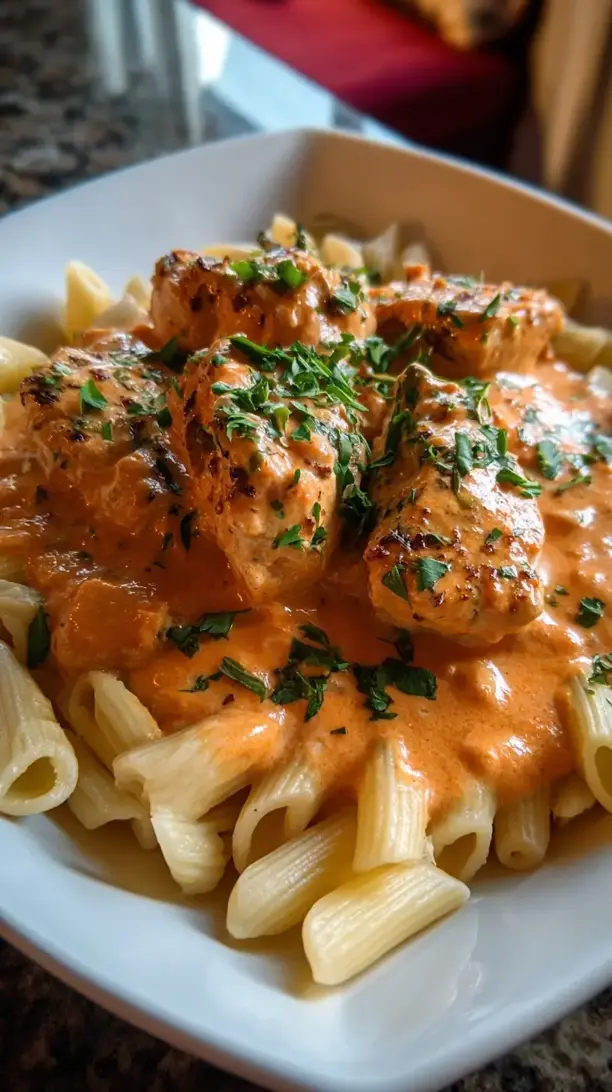
Vodka Sauce Chicken
Make this easy Vodka Sauce Chicken recipe for a creamy, restaurant-worthy dinner in just 40 minutes. Serve over pasta for the ultimate comfort meal. Get the recipe!
Ingredients
For the Ingredients
-
2 large boneless, skinless chicken breasts (about 1 lb or 450 g)
-
1 tbsp olive oil
-
1 small yellow onion (finely chopped)
-
3 cloves garlic (minced)
-
1/4 cup tomato paste
-
1/4 cup vodka
-
1 cup crushed tomatoes
-
1/2 cup heavy cream
-
1/4 cup grated Parmesan cheese (plus more for serving)
-
1 tsp dried oregano
-
1/2 tsp red pepper flakes (adjust to taste)
-
Salt and black pepper (to taste)
-
Fresh basil or parsley (for garnish)
Instructions
-
Start by preparing your chicken. Pat the chicken breasts completely dry with paper towels—this is crucial for getting a nice sear. Season both sides generously with salt and black pepper. Heat the olive oil in your large skillet over medium-high heat. Once the oil is shimmering, carefully add the chicken. You should hear a satisfying sizzle. Cook for about 5–7 minutes per side, until you have a beautiful golden-brown crust and the chicken is cooked through. Transfer the chicken to a clean plate and set it aside. It will finish cooking a little more later, so don’t worry if it’s not 100% done in the very center.01
-
Reduce the heat to medium. In the same skillet, you’ll now have all those delicious browned bits from the chicken. Add the chopped onion and cook, stirring occasionally, for about 4–5 minutes until it becomes soft and translucent. You’ll notice the aroma changing from sharp to sweet. Add the minced garlic and cook for just one more minute until fragrant—be careful not to let the garlic burn, or it will turn bitter.02
-
Now for the tomato paste! Push the onions and garlic to one side and add the tomato paste directly to the empty part of the skillet. Let it cook for 2–3 minutes, stirring it in that spot. You’ll see it darken from a bright red to a deeper brick-red color and it might start to stick a little to the pan. This is exactly what you want. This step, called "toasting" the paste, builds an incredible depth of flavor.03
-
It’s vodka time! Pour the vodka into the skillet. Stand back just a little, as it might flame up briefly. Use your wooden spoon to scrape up all the browned bits from the bottom of the pan—this is called deglazing, and those bits are pure flavor gold. Let the vodka simmer and reduce for about 2 minutes, until the sharp alcoholic smell has mostly dissipated.04
-
Stir in the crushed tomatoes, dried oregano, and red pepper flakes. Bring the sauce to a gentle simmer, then reduce the heat to low. Let it bubble away happily for about 5 minutes, stirring occasionally. This allows the tomato flavor to mellow and meld with the other ingredients. You’ll notice the sauce thickening slightly.05
-
Stir in the heavy cream and the grated Parmesan cheese. The sauce will transform instantly, turning a lovely pink–orange color and becoming luxuriously creamy. Taste the sauce and adjust the seasoning—add more salt, pepper, or even a pinch of sugar if the tomatoes are a little too acidic for your taste.06
-
Return the cooked chicken breasts (and any accumulated juices from the plate) back to the skillet, nestling them into the sauce. Spoon some of the sauce over the top of each piece. Let everything heat through together for another 3–4 minutes on low heat. This allows the chicken to re-warm and absorb some of the sauce’s flavor. Your Vodka Sauce Chicken is now ready to serve!07
Not what you're looking for?