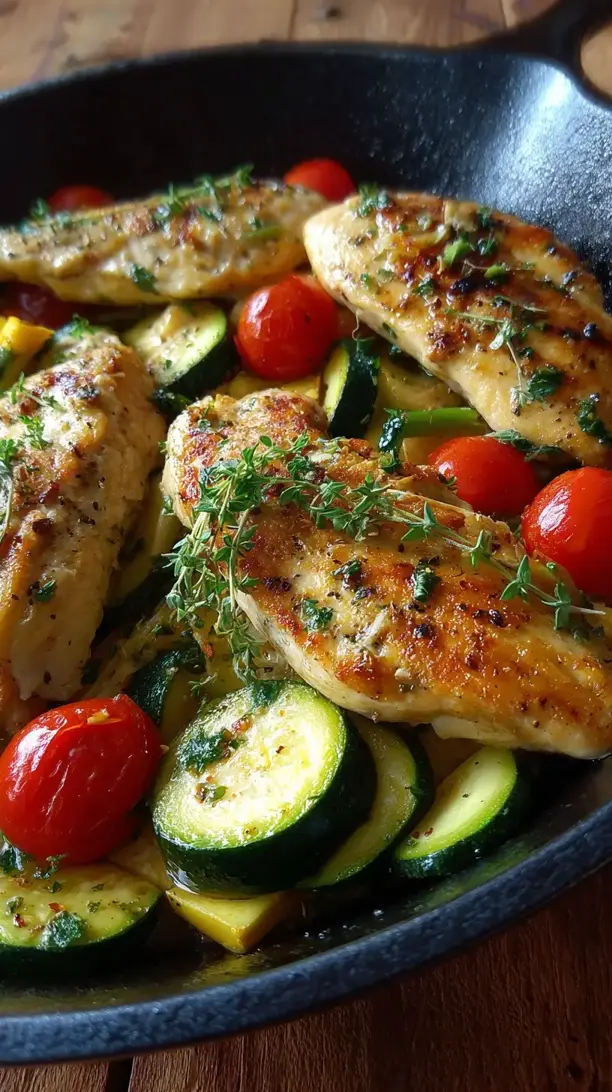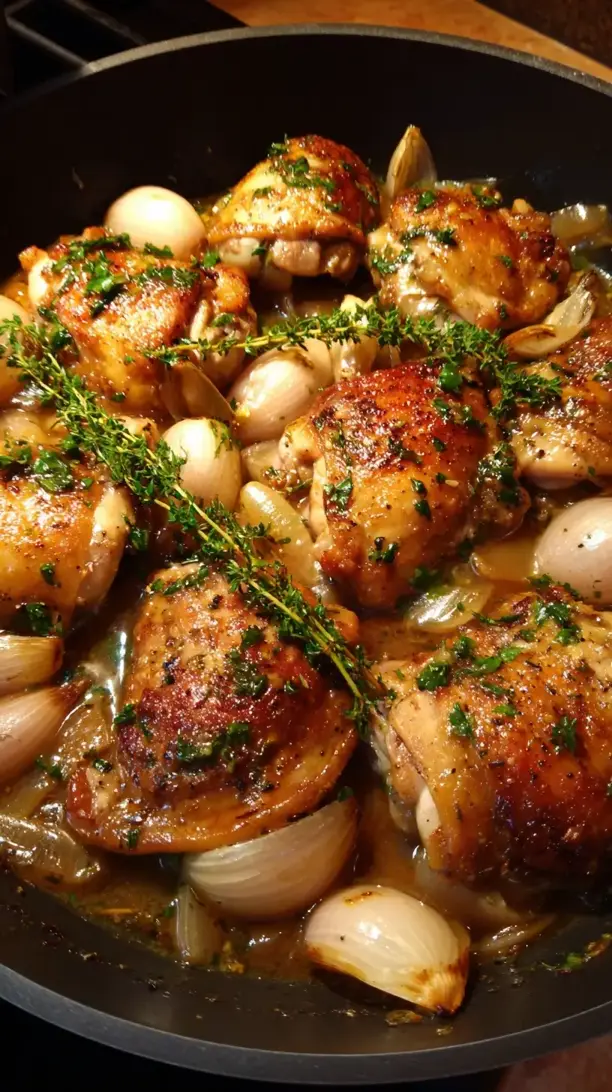
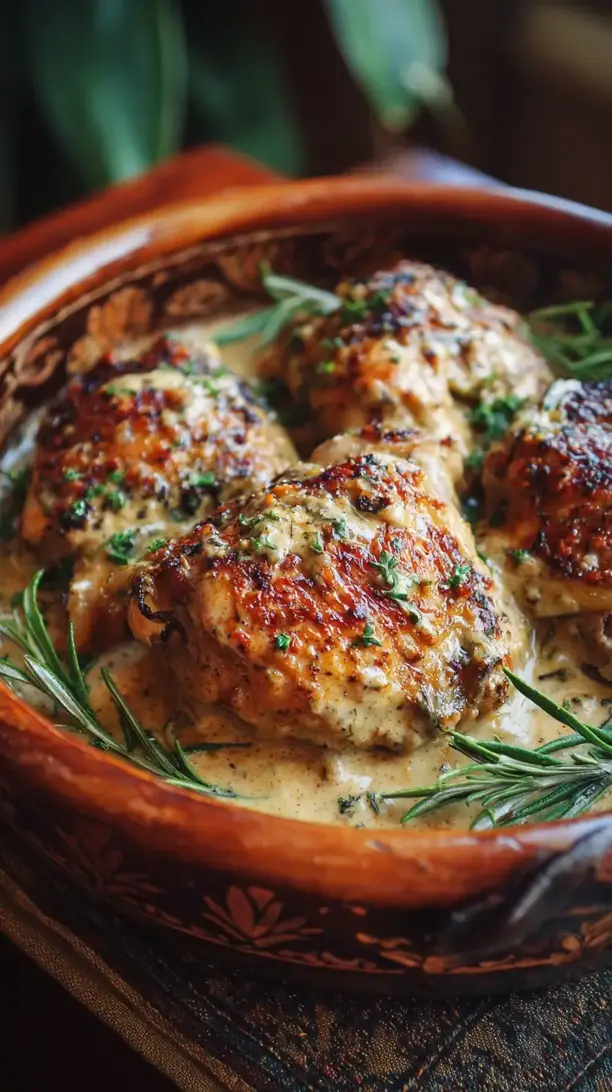
This Whole Grain Mustard Chicken is a rustic yet refined dish featuring golden-brown chicken thighs in a creamy, tangy mustard sauce. It delivers bistro-quality flavor with simple weeknight effort. The aroma of herbs, mustard, and caramelizing shallots is intoxicating.
Love Whole Grain Mustard Chicken? So do we! If you're into Chicken Breast Recipes or curious about Desserts, you'll find plenty of inspiration below.

Why You’ll Love This Whole Grain Mustard Chicken
- Effortless Elegance: Looks fancy but the process is wonderfully straightforward.
- Star Sauce: Tangy whole grain mustard balanced by rich cream and wine.
- Versatile Base: Perfect with mashed potatoes, polenta, noodles, or greens.
- Meal Prep Friendly: Flavors improve overnight for stress-free dinners.
Ingredients & Tools
- 4-6 bone-in, skin-on chicken thighs
- 1 tbsp olive oil
- 2 large shallots, finely sliced
- 2 cloves garlic, minced
- 1/2 cup dry white wine (like Sauvignon Blanc)
- 1/2 cup chicken stock
- 1/2 cup heavy cream (or crème fraîche for extra tang)
- 1/4 cup whole grain mustard
- 1 tbsp Dijon mustard
- 1 tsp fresh thyme leaves
- to taste salt and freshly ground black pepper
Tools: A large, oven-safe skillet (like cast iron or stainless steel), tongs, a whisk.
Notes: Bone-in, skin-on thighs are non-negotiable for flavor and juiciness. Shallots provide a subtle sweetness better than onion.
Getting the right ingredients here makes a real difference. Using bone-in, skin-on chicken thighs is non-negotiable for the deepest flavor and juiciest result—the bones and fat render into the sauce, creating an incredible foundation. And please, don’t skip the shallots! Their subtle, sweet flavor is a much better fit here than a pungent onion.
Nutrition (per serving)
| Calories: | 520 kcal |
| Protein: | 35 g |
| Fat: | 36 g |
| Carbs: | 8 g |
| Fiber: | 1 g |
Serves: 4 | Prep Time: 10 minutes | Cook Time: 35 minutes | Total Time: 45 minutes
Before You Start: Tips & Ingredient Notes
- Chicken Thighs are Key. I really can’t stress this enough. Chicken breasts will dry out in the time it takes for the sauce to develop and reduce. Thighs stay succulent and forgiving, their richer flavor standing up beautifully to the bold mustard.
- Get Your Skirt Hot. A properly preheated skillet is the secret to that perfect, crispy, golden-brown skin. If the pan isn’t hot enough, the skin will steam and stick, and you’ll miss out on all those delicious browned bits (the fond) that form the base of your sauce.
- Embrace the Two-Mustard Combo. Using both whole grain and Dijon mustard gives you the best of both worlds. The whole grain provides texture and a rustic, tangy flavor, while the smooth Dijon integrates seamlessly into the sauce, adding depth and a sharper mustard note.
- Don’t Fear the Wine. The alcohol cooks off, leaving behind a wonderful complexity that balances the sauce. If you absolutely must skip it, you can use an additional 1/2 cup of chicken stock, but you’ll lose a layer of flavor. A little goes a long way here.
How to Make Whole Grain Mustard Chicken
Step 1: Preheat your oven to 375°F (190°C). While it’s heating, pat the chicken thighs completely dry with paper towels—this is the single most important step for achieving crispy skin. Season both sides generously with salt and pepper. You’ll notice the skin will look a little matte and dry, which is exactly what you want.
Step 2: Place your oven-safe skillet over medium-high heat and add the olive oil. Once the oil is shimmering hot, carefully place the chicken thighs in the pan, skin-side down. You should hear a confident sizzle. Resist the urge to move them! Let them cook for 6-8 minutes, until the skin is deeply golden brown and releases easily from the pan. Flip and cook for another 2-3 minutes on the other side, just to sear. Transfer the chicken to a plate; it won’t be cooked through yet.
Step 3: Reduce the heat to medium. You should see those beautiful browned bits stuck to the bottom of the pan—that’s flavor gold! Add the sliced shallots to the skillet and sauté for about 3-4 minutes, using a wooden spoon to scrape up the fond as they cook. They’ll soften and become translucent. Add the minced garlic and cook for just one more minute, until fragrant. You don’t want the garlic to burn.
Step 4: Pour in the white wine. It will bubble and steam dramatically—this is good! Scrape the bottom of the pan vigorously with your whisk or spoon to deglaze, loosening all those stuck-on bits. Let the wine simmer and reduce by about half, which should take 2-3 minutes. You’ll notice the sharp alcohol smell will fade, leaving a richer aroma.
Step 5: Whisk in the chicken stock, heavy cream, whole grain mustard, Dijon mustard, and fresh thyme. Bring the sauce to a gentle simmer—you’ll see small bubbles breaking the surface around the edges. Let it cook for about 2 minutes, stirring occasionally. The sauce will start to thicken slightly and become a lovely, creamy, speckled consistency.
Step 6: Taste the sauce and season with more salt and pepper if needed. Remember, you seasoned the chicken, but the sauce needs love too. Nestle the seared chicken thighs back into the skillet, skin-side up, along with any juices that accumulated on the plate.
Step 7: Carefully transfer the entire skillet to the preheated oven. Bake, uncovered, for 20-25 minutes, or until the chicken is cooked through (an internal temperature of 165°F / 74°C) and the sauce is bubbly and has further thickened. The top of the chicken will be beautifully bronzed.
Step 8: Remove the skillet from the oven—remember, the handle will be extremely hot! Let the dish rest for about 5 minutes before serving. This allows the chicken juices to redistribute and the sauce to settle into its final, perfect consistency. Spoon plenty of that incredible sauce over each serving.
Storage & Freshness Guide
- Fridge: Store in an airtight container for up to 3 days.
- Freezer: Freeze for up to 2 months in a sealed container.
- Reviving: Reheat gently in a 325°F oven to maintain texture.
Serving Suggestions
Complementary Dishes
- Creamy Mashed Potatoes — The ultimate comfort pairing. The fluffy, buttery potatoes are the perfect vehicle for soaking up every last drop of that tangy mustard sauce.
- Buttered Egg Noodles or Pappardelle — A simple, elegant option. The wide, flat noodles cradle the sauce beautifully and make for a very satisfying, pasta-forward meal.
- Simple Green Salad with a Sharp Vinaigrette — The fresh, acidic crunch of a green salad provides a wonderful contrast to the rich, creamy chicken, cleansing the palate between bites.
Drinks
- A Crisp, Dry White Wine — A Sauvignon Blanc or an unoaked Chardonnay mirrors the wine in the sauce and cuts through the richness with its bright acidity.
- A Light-bodied Pale Ale — The hoppy, bitter notes of a good pale ale complement the tanginess of the mustard surprisingly well, making for a refreshing and casual pairing.
Something Sweet
- Lemon Tart — The bright, sharp citrus flavor is a fantastic palate-cleanser after the savory, creamy main course, leaving you feeling refreshed and satisfied.
- Dark Chocolate Pots de Crème — For a truly decadent end to the meal, the deep, bitter notes of dark chocolate provide a rich counterpoint without being overly sweet.
Top Mistakes to Avoid
- Mistake: Not drying the chicken skin. If the skin is even slightly damp, it will steam instead of sear, resulting in pale, rubbery skin. Pat it obsessively dry with paper towels for the crispiest result.
- Mistake: Moving the chicken too soon. When you first place the chicken in the hot pan, let it be! Moving it prematurely will tear the skin and it won’t develop that beautiful, crispy, golden-brown crust that is so essential to the dish.
- Mistake: Skipping the deglazing step. Those browned bits at the bottom of the pan are pure, concentrated flavor. If you don’t deglaze properly with the wine, you’re literally washing flavor down the drain. Scrape that pan with gusto!
- Mistake: Using low-fat cream or milk. The sauce needs the fat content of heavy cream or crème fraîche to become properly luxurious and to withstand the oven heat without breaking or curdling. A lighter substitute just won’t deliver the same texture.
Expert Tips
- Tip: Let the chicken come to room temperature. Taking the chicken out of the fridge 20-30 minutes before cooking helps it cook more evenly. A cold chicken thigh thrown into a hot pan will seize up and can cook unevenly, with the outside overdone before the inside is cooked through.
- Tip: Use an instant-read thermometer. The best way to guarantee perfectly cooked chicken is to stop guessing. Pull the thighs from the oven when they hit 165°F (74°C) in the thickest part, avoiding the bone. This prevents dry, overcooked meat.
- Tip: Finish with fresh herbs. Right before serving, sprinkle a handful of fresh, chopped parsley or chives over the top. The pop of fresh green color and bright, herbal flavor elevates the entire dish and makes it look restaurant-worthy.
- Tip: Make it ahead for deeper flavor. This dish is a fantastic make-ahead meal. Let it cool completely after baking, then cover and refrigerate. Reheat gently in a 325°F (160°C) oven until warmed through. The extra time allows the flavors to meld and intensify beautifully.
FAQs
Can I use chicken breasts instead of thighs?
You can, but I really don’t recommend it for this particular recipe. Chicken breasts are much leaner and have a tendency to dry out during the longer cooking time required for the sauce to develop and reduce. Thighs are more forgiving and their richer, darker meat stands up much better to the bold flavors of the mustard and the baking process. If you must use breasts, consider searing them and then adding them back to the sauce only for the last 10 minutes of baking to prevent them from becoming tough.
My sauce seems a bit thin. How can I thicken it?
Don’t worry, this is an easy fix! If your sauce is too thin after baking, simply remove the chicken and place the skillet back on the stovetop over medium heat. Let the sauce simmer for a few extra minutes, stirring occasionally—it will reduce and thicken naturally. You can also create a quick slurry by mixing a teaspoon of cornstarch with a tablespoon of cold water and whisking it into the simmering sauce until it reaches your desired consistency.
What can I use if I don’t have an oven-safe skillet?
No problem! Just sear the chicken and make the sauce in any large skillet you have. Then, transfer everything—the chicken and all the sauce—into a standard 9×13-inch baking dish or a casserole dish. The baking time will be the same. The key is just to make sure the chicken is nestled in the sauce so it stays moist during its time in the oven.
How should I store and reheat leftovers?
Leftovers will keep beautifully in an airtight container in the refrigerator for up to 3 days. To reheat, I strongly suggest using an oven or toaster oven set to 325°F (160°C). Place the chicken and sauce in an oven-safe dish, cover with foil, and warm for 15-20 minutes, or until hot. This method will keep the skin from getting soggy. Microwaving will work in a pinch, but it can make the chicken rubbery and split the sauce.
Can I make this dish dairy-free?
Yes, you can achieve a lovely result. Instead of heavy cream, use a full-fat, unsweetened coconut milk. The flavor profile will shift slightly, with a subtle coconut note, but it pairs surprisingly well with the mustard. Another great option is to use a plain, unsweetened cashew cream. Just avoid any low-fat milk alternatives, as they are likely to curdle when heated.


Whole Grain Mustard Chicken
Make this easy Whole Grain Mustard Chicken with a creamy, tangy sauce for a gourmet weeknight dinner. Get the simple, foolproof recipe now!
Ingredients
For the Ingredients
-
4-6 bone-in, skin-on chicken thighs
-
1 tbsp olive oil
-
2 large shallots (finely sliced)
-
2 cloves garlic (minced)
-
1/2 cup dry white wine (like Sauvignon Blanc)
-
1/2 cup chicken stock
-
1/2 cup heavy cream (or crème fraîche for extra tang)
-
1/4 cup whole grain mustard
-
1 tbsp Dijon mustard
-
1 tsp fresh thyme leaves
-
salt and freshly ground black pepper (to taste)
Instructions
-
Preheat your oven to 375°F (190°C). While it’s heating, pat the chicken thighs completely dry with paper towels—this is the single most important step for achieving crispy skin. Season both sides generously with salt and pepper. You’ll notice the skin will look a little matte and dry, which is exactly what you want.01
-
Place your oven-safe skillet over medium-high heat and add the olive oil. Once the oil is shimmering hot, carefully place the chicken thighs in the pan, skin-side down. You should hear a confident sizzle. Resist the urge to move them! Let them cook for 6-8 minutes, until the skin is deeply golden brown and releases easily from the pan. Flip and cook for another 2-3 minutes on the other side, just to sear. Transfer the chicken to a plate; it won’t be cooked through yet.02
-
Reduce the heat to medium. You should see those beautiful browned bits stuck to the bottom of the pan—that’s flavor gold! Add the sliced shallots to the skillet and sauté for about 3-4 minutes, using a wooden spoon to scrape up the fond as they cook. They’ll soften and become translucent. Add the minced garlic and cook for just one more minute, until fragrant. You don’t want the garlic to burn.03
-
Pour in the white wine. It will bubble and steam dramatically—this is good! Scrape the bottom of the pan vigorously with your whisk or spoon to deglaze, loosening all those stuck-on bits. Let the wine simmer and reduce by about half, which should take 2-3 minutes. You’ll notice the sharp alcohol smell will fade, leaving a richer aroma.04
-
Whisk in the chicken stock, heavy cream, whole grain mustard, Dijon mustard, and fresh thyme. Bring the sauce to a gentle simmer—you’ll see small bubbles breaking the surface around the edges. Let it cook for about 2 minutes, stirring occasionally. The sauce will start to thicken slightly and become a lovely, creamy, speckled consistency.05
-
Taste the sauce and season with more salt and pepper if needed. Remember, you seasoned the chicken, but the sauce needs love too. Nestle the seared chicken thighs back into the skillet, skin-side up, along with any juices that accumulated on the plate.06
-
Carefully transfer the entire skillet to the preheated oven. Bake, uncovered, for 20-25 minutes, or until the chicken is cooked through (an internal temperature of 165°F / 74°C) and the sauce is bubbly and has further thickened. The top of the chicken will be beautifully bronzed.07
-
Remove the skillet from the oven—remember, the handle will be extremely hot! Let the dish rest for about 5 minutes before serving. This allows the chicken juices to redistribute and the sauce to settle into its final, perfect consistency. Spoon plenty of that incredible sauce over each serving.08
Not what you're looking for?