
Yakitori chicken thighs bring the magic of Japanese street food to your kitchen. These smoky, sticky skewers feature a sweet-savory glaze that caramelizes beautifully. With just a few simple steps, you can master these irresistible yakitori chicken thighs on any grill or broiler.
If you're looking for the perfect Yakitori Chicken Thighs, you're in the right place. Whether you love Chicken Thigh Recipes or want to explore our Dessert Recipes collection, we've got you covered.


Why You’ll Love This Yakitori Chicken Thighs
- Incredibly Flavorful: Sweet-savory glaze and smoky char create addictive depth.
- Simple to Master: Straightforward cubing, skewering, and basting technique.
- Versatile Setup: Works on grill pans, broilers, or outdoor barbecues.
- Perfect for Sharing: Fun, social skewers ideal for gatherings or solo meals.
Ingredients & Tools
- 600 g boneless, skinless chicken thighs
- 100 ml soy sauce (use a good-quality one)
- 60 ml mirin
- 60 ml sake
- 2 tbsp brown sugar
- 1 tbsp grated fresh ginger
- 2 garlic cloves, minced
- 1 tbsp vegetable oil
- 2 spring onions, for garnish (optional)
Tools: 8-10 bamboo or metal skewers, a grill or grill pan, a small saucepan, a basting brush.
Notes: Quality soy sauce, mirin, and sake form the tare sauce foundation. Chicken thighs stay juicy during high-heat cooking.
Nutrition (per serving)
| Calories: | 285 kcal |
| Protein: | 28 g |
| Fat: | 12 g |
| Carbs: | 10 g |
| Fiber: | 0.5 g |
Serves: 4 | Prep Time: 20 minutes | Cook Time: 15 minutes | Total Time: 35 minutes
Before You Start: Tips & Ingredient Notes
- Soak those skewers! If you’re using bamboo skewers, submerge them in water for at least 30 minutes before you start cooking. This prevents them from burning to a crisp on the grill—a little patience here saves a lot of smoky disappointment later.
- Why chicken thighs? I really can’t stress this enough. Thighs have more connective tissue and fat, which translates to a juicier, more flavorful skewer that can handle the direct heat without turning tough. They’re the authentic choice for a reason.
- Don’t rush the tare. Your glaze needs a few minutes of simmering to properly reduce, thicken, and for the alcohol in the sake and mirin to cook off. You’re looking for a syrup-like consistency that will cling to the chicken beautifully.
- Cut for even cooking. Try to cut your chicken into pieces that are roughly the same size, about 1 to 1.5-inch cubes. This ensures every piece cooks through at the same time, so you don’t end up with some perfectly cooked and others… not so much.
How to Make Yakitori Chicken Thighs
Step 1: Prepare the Tare Glaze. In your small saucepan, combine the soy sauce, mirin, sake, brown sugar, grated ginger, and minced garlic. Bring it to a gentle simmer over medium heat, stirring just until the sugar dissolves. Then, reduce the heat to low and let it bubble away for 8-10 minutes. You’ll notice it reducing by about a third and thickening to a consistency that nicely coats the back of a spoon. Remove it from the heat and set aside—this is your flavor powerhouse.
Step 2: Prep and Skewer the Chicken. While your glaze is cooling a bit, pat your chicken thighs completely dry with paper towels. This is a sneaky-important step for getting a good sear instead of a steam. Cut them into even, bite-sized cubes. Now, thread the chicken onto your pre-soaked skewers, pushing 4-5 pieces onto each one. Don’t pack them too tightly; a little space allows the heat to circulate and cook the chicken evenly on all sides.
Step 3: Fire Up the Grill. Preheat your grill, grill pan, or broiler to a medium-high heat. You want it nice and hot so the chicken sizzles the moment it touches the surface. Lightly brush the grates or your pan with the vegetable oil to prevent any sticking. If you’re broiling, place a rack in the upper third of your oven.
Step 4: Grill and Baste. Place your chicken skewers on the hot grill. Cook for 3-4 minutes on the first side, until you see those lovely grill marks and the edges are turning opaque. Flip them over and cook for another 3 minutes. Now, start basting. Using your brush, apply a thin layer of the tare glaze to the cooked side. Flip and baste the other side. Repeat this process—flipping and basting—every minute or so for about 5-6 more minutes. The sauce will caramelize, bubble, and create a gorgeous, sticky, dark glaze. The chicken is done when it’s cooked through (internal temperature of 165°F or 74°C) and beautifully glazed.
Step 5: Final Glaze and Rest. Right as you take the skewers off the heat, give them one final, generous brush with the leftover tare sauce. This last-minute hit of flavor makes all the difference. Let the skewers rest for a couple of minutes on a clean plate—this allows the juices to redistribute throughout the meat, ensuring every single bite is succulent.
Step 6: Serve Immediately. Transfer the skewers to a serving platter. If you like, sprinkle with very thinly sliced spring onions for a pop of color and a fresh, sharp contrast to the rich, sweet chicken. They are best enjoyed hot off the grill, when the glaze is still shiny and tempting.
Storage & Freshness Guide
- Fridge: Store leftover skewers in an airtight container for up to 3 days.
- Freezer: Freeze cooked, unglazed skewers in a single layer then transfer to a bag for up to 2 months.
- Reviving: Reheat gently in a skillet or oven to restore crispness without burning glaze.
Serving Suggestions
Complementary Dishes
- A simple cucumber sunomono salad — The crisp, vinegared cucumber provides a refreshing, palate-cleansing contrast to the rich, smoky chicken.
- Steamed white rice — It’s the classic, perfect partner to soak up any extra glaze and balance the strong flavors of the yakitori.
- Grilled asparagus or shishito peppers — Cooked alongside the chicken, these veggies take on a lovely smokiness and make the meal feel complete.
Drinks
- A cold, dry Japanese lager — The crisp, clean bubbles cut through the richness of the glaze and the fat from the thighs beautifully.
- Junmai sake served slightly chilled — Its clean, slightly acidic profile complements the umami in the tare sauce without overpowering it.
- Iced green tea — A non-alcoholic option that offers a subtle, bitter note which balances the sweetness of the dish perfectly.
Something Sweet
- Matcha ice cream — The bittersweet, earthy notes of matcha are a sophisticated and traditional finish that feels light after the savory skewers.
- Mochi ice cream — The chewy, sweet outer layer and cold, creamy center are a fun, textural delight to end the meal.
- A simple fruit platter with lychee and melon — The natural sweetness and high water content of the fruit is incredibly refreshing and cleansing.
Top Mistakes to Avoid
- Mistake: Skipping the skewer soak. It seems like a small step, but dry bamboo skewers will burn and splinter on a hot grill, imparting a bitter taste and creating a potential hazard.
- Mistake: Applying the glaze too early. If you brush on the sugary tare sauce at the beginning, it will burn long before the chicken is cooked through, resulting in a bitter, blackened exterior and raw interior.
- Mistake: Overcrowding the skewers. Pushing the chicken pieces tightly together means the sides touching each other won’t cook properly. You’ll steam the chicken instead of grilling it, missing out on that essential caramelization.
- Mistake: Using high heat exclusively. You need a hot grill to start, but if the heat is too ferocious, the outside will char before the inside is done. A steady medium-high heat is your friend here.
Expert Tips
- Tip: Make a double batch of tare. This glaze is liquid gold. Whip up an extra portion and keep it in a jar in the fridge. It’s amazing on grilled salmon, as a stir-fry sauce, or even brushed onto roasted vegetables.
- Tip: Use a two-zone fire if grilling outdoors. If you have a charcoal or gas grill, keep one side super hot for searing and one side at medium heat. You can start the skewers on the hot side for marks, then move them to the cooler side to finish cooking without burning the glaze.
- Tip: Don’t cross-contaminate. When basting, never dip a brush that has touched raw chicken back into your main pot of clean tare sauce. Instead, pour a small amount of sauce into a separate bowl to use for basting.
- Tip: Let the skewers get a good sear before moving them. When you first place the skewers on the grill, resist the urge to move them around. Let them sit for those first few minutes to develop a proper sear—this prevents sticking and gives you those picture-perfect grill marks.
FAQs
Can I make this with chicken breast instead?
You can, but I honestly wouldn’t recommend it for the best results. Chicken breast is much leaner and will easily dry out and become tough with the high-heat grilling process required for yakitori. Thighs are more forgiving, staying juicy and flavorful. If you must use breast, be extra vigilant with your cooking time and consider brining it first to help retain moisture.
My glaze is burning before the chicken is cooked. What did I do wrong?
This almost always means your heat is too high, or you started basting too early. Remember: cook the chicken mostly through first, then start the basting process in the last 5-6 minutes of cooking. If your grill is running hot, don’t be afraid to move the skewers to a slightly cooler spot to finish cooking gently.
Can I prepare the skewers ahead of time?
Absolutely! You can thread the chicken onto the skewers, cover them tightly, and refrigerate for up to 8 hours before cooking. This is a fantastic party trick. You can also make the tare glaze up to a week in advance and store it in the fridge—just gently reheat it to make it brushable again.
What’s a good substitute for sake or mirin?
For mirin, a mix of dry white wine or even sherry with a tiny pinch of sugar can work in a pinch. For sake, a dry white wine is your best bet. However, the flavor profile will be slightly different, as these ingredients provide a specific sweetness and umami that is central to the authentic taste.
How do I know when the chicken is perfectly cooked?
The best way is to use an instant-read thermometer—you’re aiming for 165°F (74°C) in the thickest part of a chicken cube. Visually, the meat should be opaque all the way through, and the juices should run clear. With practice, you’ll also be able to tell by the firmness of the meat when you press on it with your tongs.

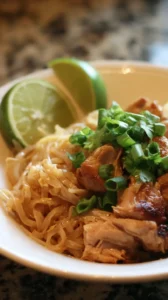


Yakitori Chicken Thighs
Make authentic Yakitori Chicken Thighs with a sweet-savory glaze. This easy recipe is perfect for grilling. Get the simple steps and cook them tonight!
Ingredients
For the Ingredients
-
600 g boneless, skinless chicken thighs
-
100 ml soy sauce
-
60 ml mirin
-
60 ml sake
-
2 tbsp brown sugar
-
1 tbsp grated fresh ginger
-
2 garlic cloves (minced)
-
1 tbsp vegetable oil
-
2 spring onions (for garnish)
Instructions
-
In your small saucepan, combine the soy sauce, mirin, sake, brown sugar, grated ginger, and minced garlic. Bring it to a gentle simmer over medium heat, stirring just until the sugar dissolves. Then, reduce the heat to low and let it bubble away for 8-10 minutes. You’ll notice it reducing by about a third and thickening to a consistency that nicely coats the back of a spoon. Remove it from the heat and set aside—this is your flavor powerhouse.01
-
While your glaze is cooling a bit, pat your chicken thighs completely dry with paper towels. This is a sneaky-important step for getting a good sear instead of a steam. Cut them into even, bite-sized cubes. Now, thread the chicken onto your pre-soaked skewers, pushing 4-5 pieces onto each one. Don’t pack them too tightly; a little space allows the heat to circulate and cook the chicken evenly on all sides.02
-
Preheat your grill, grill pan, or broiler to a medium-high heat. You want it nice and hot so the chicken sizzles the moment it touches the surface. Lightly brush the grates or your pan with the vegetable oil to prevent any sticking. If you're broiling, place a rack in the upper third of your oven.03
-
Place your chicken skewers on the hot grill. Cook for 3-4 minutes on the first side, until you see those lovely grill marks and the edges are turning opaque. Flip them over and cook for another 3 minutes. Now, start basting. Using your brush, apply a thin layer of the tare glaze to the cooked side. Flip and baste the other side. Repeat this process—flipping and basting—every minute or so for about 5-6 more minutes. The sauce will caramelize, bubble, and create a gorgeous, sticky, dark glaze. The chicken is done when it’s cooked through (internal temperature of 165°F or 74°C) and beautifully glazed.04
-
Right as you take the skewers off the heat, give them one final, generous brush with the leftover tare sauce. This last-minute hit of flavor makes all the difference. Let the skewers rest for a couple of minutes on a clean plate—this allows the juices to redistribute throughout the meat, ensuring every single bite is succulent.05
-
Transfer the skewers to a serving platter. If you like, sprinkle with very thinly sliced spring onions for a pop of color and a fresh, sharp contrast to the rich, sweet chicken. They are best enjoyed hot off the grill, when the glaze is still shiny and tempting.06
Not what you're looking for?


