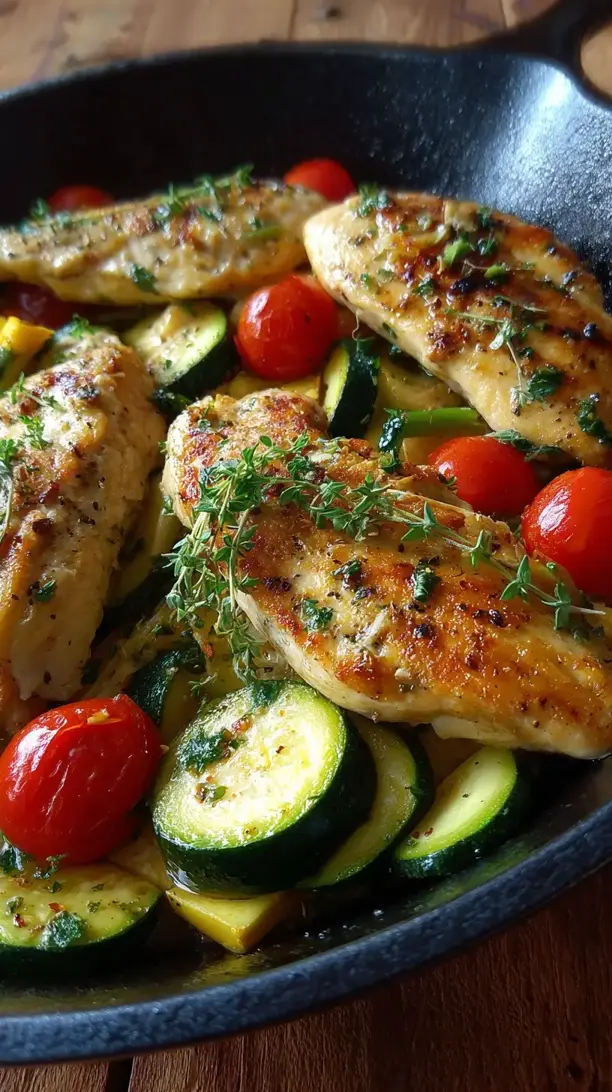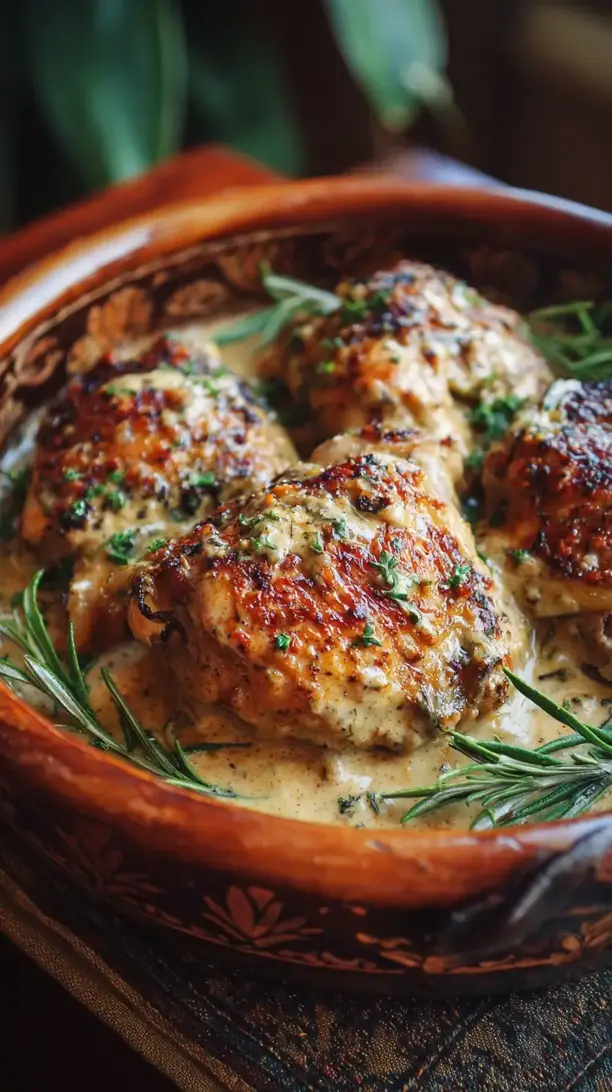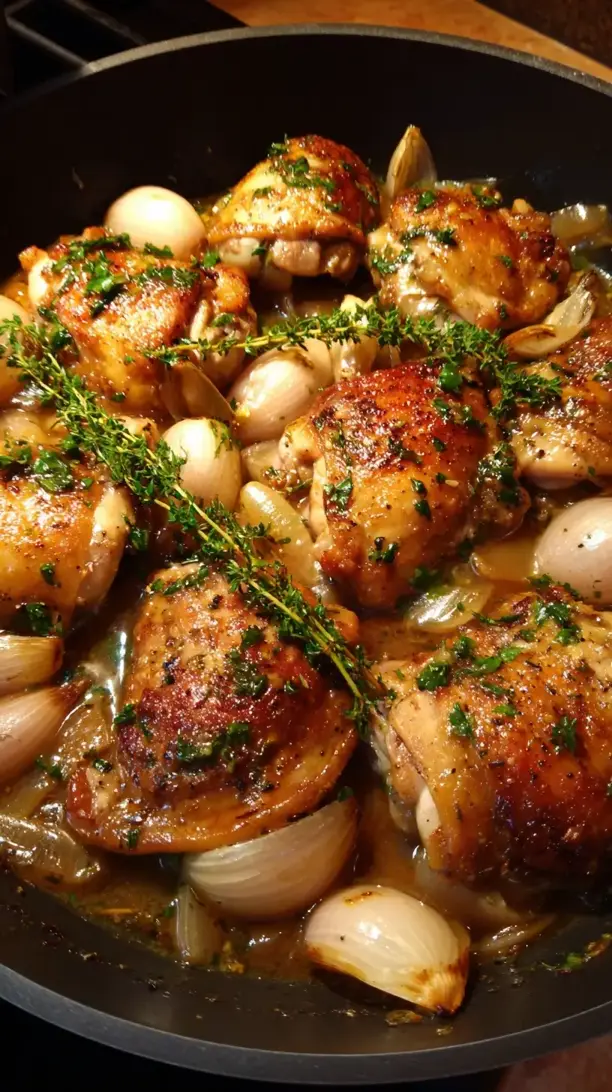
This Za’atar Chicken recipe delivers incredible flavor with minimal effort. The earthy, aromatic spice blend creates a crisp, golden crust while keeping the meat juicy and tender. It’s a simple, impressive dish perfect for any night of the week.
If you're looking for the perfect Za'atar Chicken, you're in the right place. Whether you love Chicken Breast Recipes or want to explore our Crockpot Recipes collection, we've got you covered.

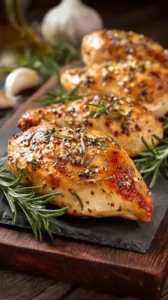
Why You’ll Love This Za’atar Chicken
- Bold flavor, minimal effort: The za’atar blend creates a complex profile with just one main ingredient.
- Crispy skin, juicy meat: High-heat roasting ensures a fantastic contrast of textures.
- Versatile for any occasion: Equally perfect for a weeknight dinner or a festive feast.
- Heavenly aroma: Fills your kitchen with a warm, herbaceous scent as it roasts.
Ingredients & Tools
- 1 whole chicken (about 1.5 kg / 3-4 lbs), pat dried
- 3 tablespoons za’atar spice blend
- 4 tablespoons olive oil, divided
- 1 lemon, halved
- 1 head of garlic, halved crosswise
- 1 teaspoon fine sea salt
- 1/2 teaspoon freshly ground black pepper
- 1 small yellow onion, roughly chopped
Tools: A large cast-iron skillet or roasting pan, kitchen twine (optional), an instant-read thermometer
Notes: The quality of your za’atar really makes a difference here—look for a blend that’s vibrant green and fragrant. And don’t skip the step of patting the chicken dry; it’s the secret to that perfectly crisp skin we’re after.
Nutrition (per serving)
| Calories: | 380 kcal |
| Protein: | 35 g |
| Fat: | 26 g |
| Carbs: | 3 g |
| Fiber: | 1 g |
Serves: 4 | Prep Time: 15 minutes | Cook Time: 1 hour | Total Time: 1 hour 15 minutes
Before You Start: Tips & Ingredient Notes
- Pat that chicken DRY. This is the single most important step for crispy skin. Use paper towels to thoroughly dry the outside of the chicken and the cavity. Any surface moisture will steam the skin instead of letting it crisp up beautifully.
- Get to know your za’atar. Za’atar blends can vary. Some are heavier on thyme, others on sumac. Give yours a quick taste. If it’s very salty, you may want to reduce the added salt in the recipe slightly. A good za’atar should be fragrant and earthy.
- Why a hot pan? Starting the chicken in a preheated cast-iron skillet (or roasting pan) gives the bottom a fantastic sear from the get-go, which adds another layer of flavor and helps render the fat more efficiently.
- Don’t toss the squeezed lemon and garlic. After roasting, those softened lemon halves and garlic cloves are gold. You can squeeze the roasted garlic out of its skin and mash it into the pan juices for an incredible, simple sauce.
How to Make Za’atar Chicken
Step 1: Preheat your oven to 425°F (220°C). While it’s heating, place your cast-iron skillet or roasting pan inside to get hot. This initial blast of heat on the chicken will help render the fat and crisp the skin. Meanwhile, pat the entire chicken—outside and inside the cavity—completely dry with paper towels. Place it on a cutting board.
Step 2: In a small bowl, mix together the za’atar, 3 tablespoons of the olive oil, salt, and black pepper. It should form a loose, fragrant paste. Using your hands or a brush, rub this mixture all over the outside of the chicken, making sure to get it into all the nooks and crannies. Don’t forget the legs and the area under the wings! Be generous—this is your flavor crust.
Step 3: Carefully stuff the cavity of the chicken with the halved lemon, halved garlic head, and the chopped onion. These aromatics will steam from the inside, perfuming the meat with incredible flavor and keeping it incredibly moist. If you have kitchen twine, you can tie the legs together for a more uniform shape, but it’s not strictly necessary.
Step 4: Wearing oven mitts, carefully remove the hot skillet from the oven. Drizzle the remaining 1 tablespoon of olive oil into the pan and swirl it around. Gently place the chicken, breast-side up, into the hot skillet. You should hear a satisfying sizzle—that’s the sound of crispy skin in the making.
Step 5: Transfer the skillet to the preheated oven and roast for about 50-60 minutes. The chicken is done when the skin is deep golden brown and crisp, and an instant-read thermometer inserted into the thickest part of the thigh (without touching bone) reads 165°F (74°C). The juices should also run clear.
Step 6: Once perfectly cooked, remove the chicken from the oven. This is crucial: let it rest for at least 10-15 minutes on a cutting board before you even think about carving. This allows the juices to redistribute throughout the meat, ensuring every single bite is succulent and tender, not dry.
Step 7: While the chicken rests, you can make a quick, flavor-packed sauce. Carefully pour the pan drippings into a small bowl or jug, leaving the burnt bits behind. Skim off a little excess fat if you like, then squeeze the incredibly soft, roasted garlic from the head you stuffed inside the chicken and whisk it into the drippings. This creates a sublime, savory sauce to drizzle over the carved chicken.
Storage & Freshness Guide
- Fridge: Store leftover chicken in an airtight container for up to 4 days.
- Freezer: Freeze carved meat in a freezer bag for up to 3 months. Thaw in the refrigerator overnight.
- Reviving: Reheat in a 350°F (175°C) oven until warm to restore crispness.
Serving Suggestions
Complementary Dishes
- Fluffy Couscous or Rice Pilaf — The mild, fluffy grains are the perfect canvas to soak up all the delicious, garlicky pan juices and the vibrant flavor of the za’atar.
- A Crisp Cucumber and Tomato Salad — The cool, refreshing crunch of the vegetables provides a lovely contrast to the warm, earthy, and savory notes of the chicken.
- Roasted Mediterranean Vegetables — Toss zucchini, bell peppers, and red onion with olive oil and a pinch of salt and roast them alongside the chicken for a complete, hands-off meal.
Drinks
- A Crisp, Dry Rosé — Its bright acidity and subtle red fruit notes cut through the richness of the chicken beautifully without overpowering the delicate za’atar.
- Minty Lemonade — For a non-alcoholic option, the zesty lemon and cool mint mirror the citrus and herbal elements in the dish, creating a wonderfully harmonious pairing.
Something Sweet
- Baklava — The honeyed sweetness and flaky, nutty layers of baklava are a classic and stunning finale that complements the Middle Eastern flavors of the main course.
- Orange and Cardamom Cake — This warm-spiced, moist cake feels like a natural extension of the meal, with citrus and spice notes that tie everything together elegantly.
Top Mistakes to Avoid
- Mistake: Not drying the chicken thoroughly. I’ve messed this up before, too, and ended up with rubbery, pale skin. Moisture is the enemy of crispness. Taking those two extra minutes with paper towels is a complete game-changer.
- Mistake: Skipping the rest time. I know it’s tempting to carve right in, but if you slice into the chicken immediately, all those precious juices will end up on the cutting board instead of in the meat. Patience rewards you with supremely juicy chicken.
- Mistake: Using a bland za’atar blend. If your za’atar has been sitting in the cupboard for a year, it’s probably lost its punch. The flavor of this dish lives and dies by the quality and freshness of your spice blend, so it’s worth seeking out a good one.
- Mistake: Overcrowding the pan. If you’re roasting vegetables alongside the chicken, make sure they’re in a single layer in a separate dish. Cramming them into the same skillet will steam everything, preventing that beautiful, crispy skin we work so hard for.
Expert Tips
- Tip: Spatchcock the chicken for faster, more even cooking. Using kitchen shears to remove the backbone and flatten the bird means it will cook in about half the time, and the entire surface gets wonderfully crisp. Just adjust the rub to cover both sides.
- Tip: Add a drizzle of pomegranate molasses after resting. Just before serving, a tiny drizzle of this tangy, sweet-sour syrup over the carved chicken adds an incredible layer of complexity and a beautiful glossy sheen.
- Tip: Make your own za’atar blend for ultimate freshness. Toast 2 tbsp sesame seeds, then mix with 3 tbsp dried thyme, 2 tbsp sumac, and 1 tsp sea salt. The flavor is so much more vibrant and aromatic than most store-bought versions.
- Tip: Use the carcass for an incredible stock. Don’t throw away the bones! Simmer them with water, the leftover onion, and any herb scraps for a few hours to create a deeply flavorful za’atar-spiced chicken stock for soups and risottos.
FAQs
Can I use chicken pieces instead of a whole chicken?
Absolutely! This method works wonderfully with bone-in, skin-on chicken thighs or drumsticks. Just reduce the cooking time—you’ll likely only need 35-45 minutes at the same temperature. The key is to still pat them dry and ensure they aren’t crowded in the pan so the skin can get nice and crisp. It’s a fantastic shortcut for an equally delicious result.
My za’atar chicken is browning too quickly. What should I do?
If the skin looks like it’s getting too dark before the chicken is cooked through, simply tent the top loosely with a piece of aluminum foil. This will shield it from direct heat and prevent burning, while allowing the chicken to continue cooking to the perfect internal temperature. No drama required!
Where can I find good za’atar?
Your best bet is a Middle Eastern grocery store, where you’ll often find several fresh, aromatic varieties. Many well-stocked supermarkets now carry it in the international aisle, and of course, online spice retailers are a great resource. Just read reviews to ensure you’re getting a quality product.
Can I make this ahead of time?
You can prep the chicken up to a day ahead by drying it, rubbing it with the za’atar paste, and storing it uncovered on a rack in the fridge. This actually helps dry the skin out even more for extra crispiness! Just let it sit at room temperature for 30 minutes before roasting.
What’s a good substitute for sumac if my za’atar blend doesn’t include it?
While not a perfect match, a combination of lemon zest and a tiny pinch of paprika can mimic sumac’s tangy, slightly fruity flavor in a pinch. For every teaspoon of za’atar you need, try ¾ tsp dried thyme, ¼ tsp lemon zest, and a sprinkle of sesame seeds. It’ll get you close!

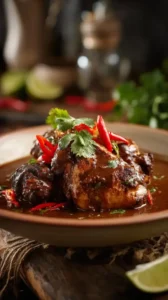


Za’Atar Chicken
Make crispy, juicy Za'atar Chicken with this easy recipe. Perfect for weeknights or feasts, it delivers incredible flavor with minimal effort. Get the recipe now!
Ingredients
For the Chicken
-
1 whole chicken (about 1.5 kg / 3-4 lbs, pat dried)
-
3 tablespoons za'atar spice blend
-
4 tablespoons olive oil (divided)
-
1 lemon (halved)
-
1 head garlic (halved crosswise)
-
1 teaspoon fine sea salt
-
1/2 teaspoon freshly ground black pepper
-
1 small yellow onion (roughly chopped)
Instructions
-
Preheat your oven to 425°F (220°C). While it’s heating, place your cast-iron skillet or roasting pan inside to get hot. This initial blast of heat on the chicken will help render the fat and crisp the skin. Meanwhile, pat the entire chicken—outside and inside the cavity—completely dry with paper towels. Place it on a cutting board.01
-
In a small bowl, mix together the za’atar, 3 tablespoons of the olive oil, salt, and black pepper. It should form a loose, fragrant paste. Using your hands or a brush, rub this mixture all over the outside of the chicken, making sure to get it into all the nooks and crannies. Don’t forget the legs and the area under the wings! Be generous—this is your flavor crust.02
-
Carefully stuff the cavity of the chicken with the halved lemon, halved garlic head, and the chopped onion. These aromatics will steam from the inside, perfuming the meat with incredible flavor and keeping it incredibly moist. If you have kitchen twine, you can tie the legs together for a more uniform shape, but it’s not strictly necessary.03
-
Wearing oven mitts, carefully remove the hot skillet from the oven. Drizzle the remaining 1 tablespoon of olive oil into the pan and swirl it around. Gently place the chicken, breast-side up, into the hot skillet. You should hear a satisfying sizzle—that’s the sound of crispy skin in the making.04
-
Transfer the skillet to the preheated oven and roast for about 50-60 minutes. The chicken is done when the skin is deep golden brown and crisp, and an instant-read thermometer inserted into the thickest part of the thigh (without touching bone) reads 165°F (74°C). The juices should also run clear.05
-
Once perfectly cooked, remove the chicken from the oven. This is crucial: let it rest for at least 10-15 minutes on a cutting board before you even think about carving. This allows the juices to redistribute throughout the meat, ensuring every single bite is succulent and tender, not dry.06
-
While the chicken rests, you can make a quick, flavor-packed sauce. Carefully pour the pan drippings into a small bowl or jug, leaving the burnt bits behind. Skim off a little excess fat if you like, then squeeze the incredibly soft, roasted garlic from the head you stuffed inside the chicken and whisk it into the drippings. This creates a sublime, savory sauce to drizzle over the carved chicken.07
Not what you're looking for?