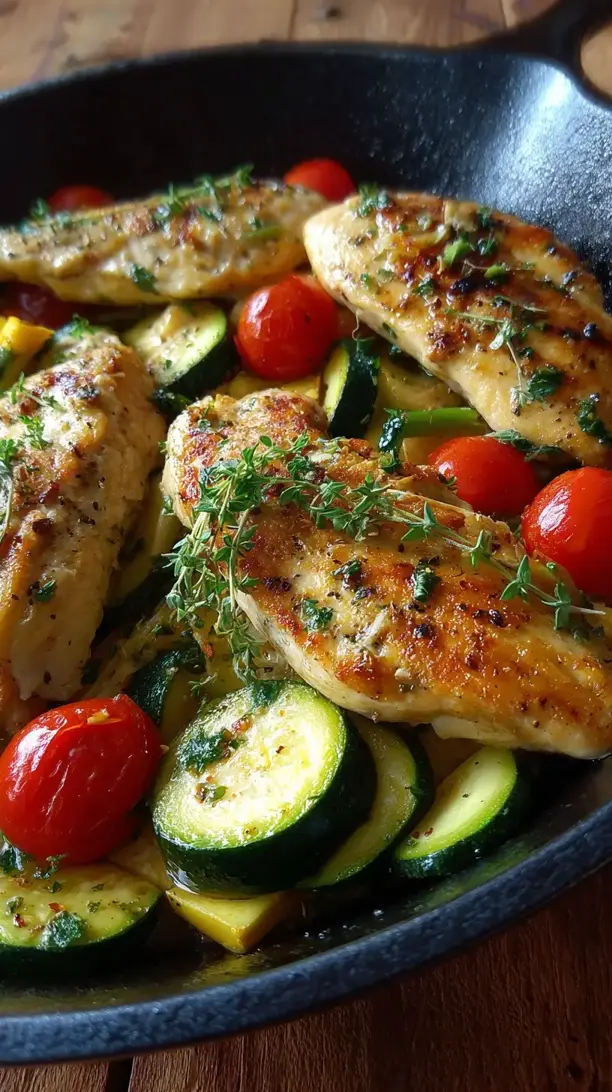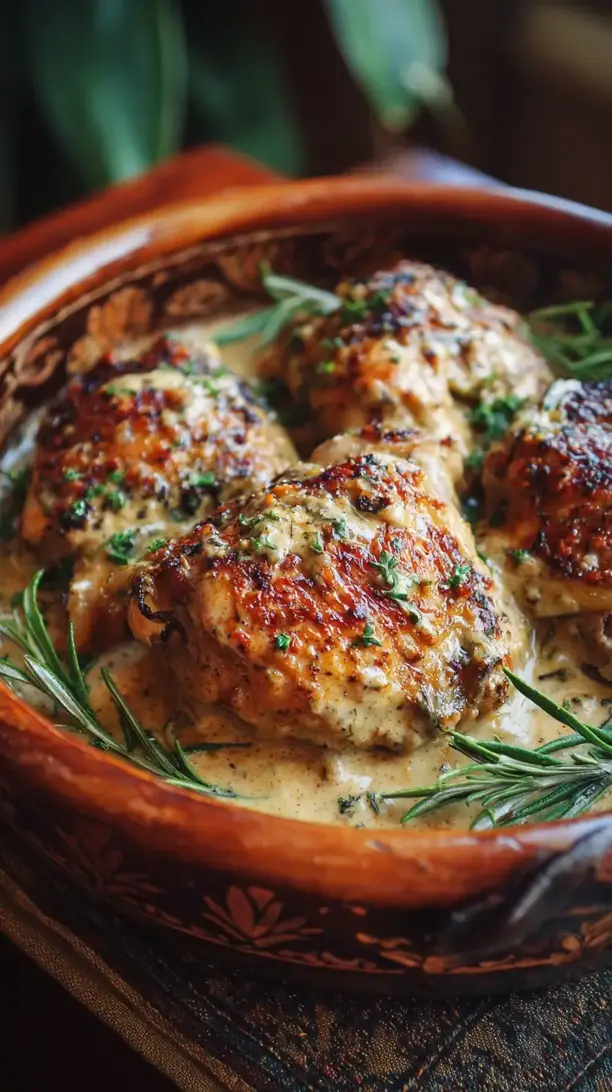
Turn classic Caesar salad flavors into a hearty main course with this Caesar Chicken Breast recipe. Juicy, seared chicken breasts are coated in a rich, tangy homemade Caesar marinade for a simple yet impressive dinner. It delivers all the comfort of the salad in a substantial, satisfying form.
If you're looking for the perfect Caesar Chicken Breast, you're in the right place. Whether you love Chicken Breast Recipes or want to explore our Burgers collection, we've got you covered.



Why You’ll Love This Caesar Chicken Breast
Restaurant-quality flavor: Achieve deep, complex Caesar taste with simple ingredients.
Complete meal: Easily pairs with salads or carbs for a balanced dinner.
Double-duty marinade: Use part for marinating, part for a final drizzle.
Simple & forgiving: Straightforward process perfect for beginners.
Ingredients & Tools
- 2 large boneless, skinless chicken breasts (about 1.5 lbs or 680 g)
- 3 tbsp extra virgin olive oil, divided
- 3 anchovy fillets, finely minced
- 2 large cloves garlic, finely grated or minced
- 3 tbsp freshly grated Parmesan cheese, plus more for serving
- 2 tbsp fresh lemon juice
- 1 tbsp Dijon mustard
- 1 tsp Worcestershire sauce
- 1/4 cup full-fat mayonnaise
- 1/2 tsp freshly cracked black pepper
- 1/4 tsp kosher salt (adjust to taste, as anchovies and Parmesan are salty)
Tools: A large zip-top bag or shallow dish for marinating, a large skillet (cast iron is ideal), tongs, a microplane or fine grater for the garlic and Parmesan.
Notes: The quality of a few key ingredients here really makes a difference. Using fresh lemon juice and real anchovy fillets (don’t worry, they won’t taste “fishy”—they just add an incredible umami depth) is what separates a good Caesar chicken from a truly unforgettable one.
Nutrition (per serving)
| Calories: | 385 kcal |
| Protein: | 42 g |
| Fat: | 22 g |
| Carbs: | 3 g |
| Fiber: | 0.5 g |
Serves: 2 | Prep Time: 10 minutes (plus 30 minutes marinating) | Cook Time: 15 minutes | Total Time: 55 minutes
Before You Start: Tips & Ingredient Notes
- Don’t skip the anchovies. I know, I know. But hear me out. They dissolve into the marinade, providing a foundational, savory saltiness that is the secret soul of any authentic Caesar flavor. You won’t taste “fish,” you’ll just taste “delicious.”
- Pound your chicken breasts. If your chicken breasts are very thick or uneven, place them between two pieces of plastic wrap and gently pound the thicker end with a rolling pin or pan until they are an even ¾-inch thickness. This ensures they cook evenly and stay incredibly juicy.
- Freshly grated is non-negotiable. For both the garlic and the Parmesan, please use a fine grater or microplane. Pre-minced garlic in jars and pre-shredded Parmesan (which contains anti-caking agents) simply will not melt or incorporate into the marinade properly, leading to a grainy texture.
- Marinating time is flexible. Thirty minutes is the sweet spot for great flavor, but if you’re in a rush, even 15 minutes will help. For a deeper infusion, you can marinate it for up to 4 hours in the fridge. Any longer and the acid in the lemon juice can start to toughen the chicken’s texture.
How to Make Caesar Chicken Breast
Step 1: Create the Flavor-Packed Marinade. In a medium bowl, combine the minced anchovies, grated garlic, 2 tablespoons of the Parmesan, lemon juice, Dijon mustard, Worcestershire sauce, mayonnaise, black pepper, and salt. Whisk everything together until it forms a smooth, homogenous paste. You’ll notice the anchovies will practically dissolve into the mixture as you whisk. This is your flavor base—give it a quick taste. It should be tangy, salty, creamy, and deeply savory all at once.
Step 2: Prepare and Marinate the Chicken. If your chicken breasts are uneven, pound them to an even thickness as described above. Pat them completely dry with paper towels—this is crucial for getting a good sear. Place the chicken breasts in a large zip-top bag or a shallow dish. Pour about two-thirds of the Caesar marinade over the chicken, reserving the remaining third for later. Seal the bag or cover the dish, then massage the marinade all over the chicken, making sure every nook and cranny is coated. Pop it in the refrigerator to marinate for at least 30 minutes.
Step 3: Bring the Chicken to Temperature and Preheat the Pan. About 10 minutes before you’re ready to cook, take the marinated chicken out of the fridge. Letting it sit at room temperature for a short while helps it cook more evenly. Meanwhile, place your large skillet over medium-high heat and let it get properly hot. You want a nice, sizzling surface to create that beautiful crust.
Step 4: Sear the Chicken to Perfection. Add the remaining 1 tablespoon of olive oil to the hot skillet. Carefully add the chicken breasts, shaking off any excess marinade as you do. You should hear an immediate, confident sizzle. Cook for 5-7 minutes on the first side, without moving them, until you have a gorgeous golden-brown crust. Flip the chicken using tongs. Reduce the heat to medium and cook for another 5-7 minutes, or until the internal temperature reaches 165°F (74°C) when checked with an instant-read thermometer.
Step 5: Rest and Prepare the Final Drizzle. Once cooked, transfer the chicken to a clean cutting board. Do not slice it yet! Let it rest for at least 5 minutes. This is the single most important step for juicy chicken, as it allows the juices to redistribute throughout the meat. While it rests, take the reserved marinade and thin it out with a teaspoon or two of warm water or a tiny bit more lemon juice to make a drizzling consistency.
Step 6: Serve and Enjoy. After resting, slice the chicken breasts against the grain into ½-inch thick slices. Arrange them on a platter or individual plates, drizzle generously with the reserved sauce, and finish with an extra sprinkle of freshly grated Parmesan cheese and perhaps another crack of black pepper. Serve immediately while it’s warm and glorious.
Storage & Freshness Guide
- Fridge: Store leftover sliced chicken in an airtight container for up to 3 days.
- Freezer: Freeze cooked chicken in a sealed container or bag for up to 2 months.
- Reviving: Reheat gently in a toaster or conventional oven at 300°F until warm to avoid rubbery texture.
Serving Suggestions
Complementary Dishes
- A classic Caesar salad — It’s the most obvious pairing for a reason. The cool, crisp romaine and crunchy croutons provide the perfect textural and temperature contrast to the warm, savory chicken.
- Garlic herb roasted potatoes — For a more hearty, comfort-food meal, these potatoes soak up any extra sauce beautifully and their earthy flavor complements the robust chicken perfectly.
- Simple steamed asparagus — The bright, green, and slightly bitter notes of asparagus cut through the richness of the dish, balancing the plate wonderfully.
Drinks
- A crisp Chardonnay — A lightly oaked or unoaked Chardonnay has the body and acidity to stand up to the creamy, garlicky flavors without overpowering them.
- A classic Gin & Tonic — The botanical notes from the gin and the refreshing bitterness of the tonic are a surprisingly fantastic palate cleanser between bites of the rich chicken.
- Sparkling water with lemon — For a non-alcoholic option, the bubbles and citrus are all you need to refresh your taste buds and highlight the lemony notes in the marinade.
Something Sweet
- Lemon sorbet — A scoop of this bright, tart, and clean dessert is the perfect way to end the meal, echoing the citrus in the main course but in a refreshing, sweet form.
- Panna Cotta with a berry coulis — The simple, creamy, and delicate nature of panna cotta provides a lovely, smooth finish after the bold and savory flavors of the chicken.
- Dark chocolate espresso beans — Just a few of these after dinner offer a bitter, rich, and crunchy end that contrasts beautifully and feels sophisticated.
Top Mistakes to Avoid
- Mistake: Not patting the chicken dry before marinating. Excess moisture on the surface of the chicken will steam it instead of allowing a proper, flavorful sear to form. You want that Maillard reaction for maximum taste.
- Mistake: Moving the chicken around in the pan. I’ve messed this up before too… the second you lay the chicken in the hot pan, leave it alone! If you try to peek or move it too early, you’ll tear the beautiful crust that’s forming and it will stick to the pan.
- Mistake: Skipping the rest time. Slicing into the chicken straight from the pan seems tempting, but it causes all the precious juices to run out onto the cutting board, leaving you with drier meat. Patience is a virtue here.
- Mistake: Using the reserved marinade without setting it aside first. The marinade that touched the raw chicken should never be used as a final sauce. Always separate a portion before adding it to the raw meat to ensure food safety.
Expert Tips
- Tip: Use an instant-read thermometer. This is the ultimate tool for perfect chicken every single time. Guessing based on time or color is unreliable. Pull the chicken at 165°F (74°C) for safe, juicy results.
- Tip: Get the pan screaming hot. To test if your skillet is ready, flick a few drops of water onto it. If they sizzle and evaporate instantly, you’re good to go. A properly heated pan is your best defense against sticking.
- Tip: Amp up the umami with a Parmesan crisp. For a gorgeous garnish, sprinkle a tablespoon of Parmesan into your hot pan after removing the chicken. Let it melt and bubble into a lacy crisp, then use it to top your sliced chicken.
- Tip: Butterfly your chicken for faster cooking. If you’re really short on time, slice each chicken breast horizontally almost all the way through and open it like a book. This creates a thinner, larger cutlet that cooks in just 3-4 minutes per side.
FAQs
Can I make this recipe without anchovies?
You can, but you’ll be missing that classic, deep umami flavor that defines a Caesar. If you must, a good substitute is about a teaspoon of white miso paste, which will provide a similar savory, salty complexity. Alternatively, you could just add an extra half teaspoon of Worcestershire sauce, though the flavor profile will shift slightly.
How should I store and reheat leftovers?
Store any leftover sliced chicken in an airtight container in the refrigerator for up to 3 days. To reheat, I strongly recommend using a toaster oven or a conventional oven at a low temperature (around 300°F / 150°C) until just warmed through. This will help keep the texture from becoming rubbery, which often happens in the microwave. You can also enjoy the leftovers cold on a salad!
Can I use chicken thighs instead of breasts?
Absolutely! Boneless, skinless chicken thighs would work wonderfully here. They are more forgiving and have a richer flavor. Just note that they may require a slightly longer cooking time due to their higher fat content. Always cook to the safe internal temperature of 165°F (74°C).
Is there a way to make this recipe dairy-free?
Yes, you can make a very tasty dairy-free version. Simply omit the Parmesan cheese from the marinade. To compensate for the lost saltiness and umami, you might add an extra anchovy fillet or a pinch of capers, finely minced. For serving, a sprinkle of nutritional yeast can mimic a bit of that “cheesy” flavor.
My marinade seems too thick. Is that normal?
Yes, that’s perfectly normal! The marinade is meant to be a thick, paste-like consistency so it clings to the chicken. If it’s so thick it’s difficult to spread, you can thin it with a teaspoon of olive oil or water. Remember, the portion you reserve for the final sauce can be thinned out just before serving.



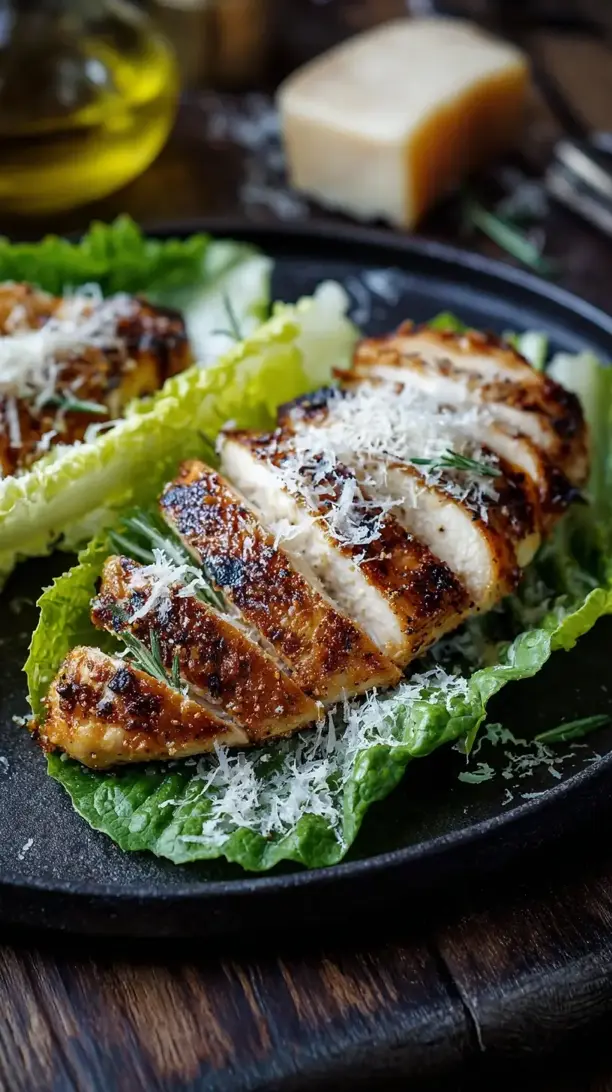
Caesar Chicken Breast
Make juicy, flavorful Caesar Chicken Breast with a tangy homemade marinade. This easy recipe is perfect for a quick, impressive weeknight dinner. Get the recipe now!
Ingredients
For the Ingredients
-
2 large boneless, skinless chicken breasts (about 1.5 lbs or 680 g)
-
3 tbsp extra virgin olive oil (divided)
-
3 anchovy fillets (finely minced)
-
2 large cloves garlic (finely grated or minced)
-
3 tbsp freshly grated Parmesan cheese (plus more for serving)
-
2 tbsp fresh lemon juice
-
1 tbsp Dijon mustard
-
1 tsp Worcestershire sauce
-
1/4 cup full-fat mayonnaise
-
1/2 tsp freshly cracked black pepper
-
1/4 tsp kosher salt (adjust to taste, as anchovies and Parmesan are salty)
Instructions
-
In a medium bowl, combine the minced anchovies, grated garlic, 2 tablespoons of the Parmesan, lemon juice, Dijon mustard, Worcestershire sauce, mayonnaise, black pepper, and salt. Whisk everything together until it forms a smooth, homogenous paste.01
-
If your chicken breasts are uneven, pound them to an even thickness. Pat them completely dry with paper towels. Place the chicken breasts in a large zip-top bag or a shallow dish. Pour about two-thirds of the Caesar marinade over the chicken, reserving the remaining third for later. Seal the bag or cover the dish, then massage the marinade all over the chicken. Pop it in the refrigerator to marinate for at least 30 minutes.02
-
About 10 minutes before you’re ready to cook, take the marinated chicken out of the fridge. Meanwhile, place your large skillet over medium-high heat and let it get properly hot.03
-
Add the remaining 1 tablespoon of olive oil to the hot skillet. Carefully add the chicken breasts, shaking off any excess marinade as you do. Cook for 5-7 minutes on the first side, without moving them, until you have a gorgeous golden-brown crust. Flip the chicken using tongs. Reduce the heat to medium and cook for another 5-7 minutes, or until the internal temperature reaches 165°F (74°C) when checked with an instant-read thermometer.04
-
Once cooked, transfer the chicken to a clean cutting board. Let it rest for at least 5 minutes. While it rests, take the reserved marinade and thin it out with a teaspoon or two of warm water or a tiny bit more lemon juice to make a drizzling consistency.05
-
After resting, slice the chicken breasts against the grain into ½-inch thick slices. Arrange them on a platter or individual plates, drizzle generously with the reserved sauce, and finish with an extra sprinkle of freshly grated Parmesan cheese and perhaps another crack of black pepper.06
Not what you're looking for?