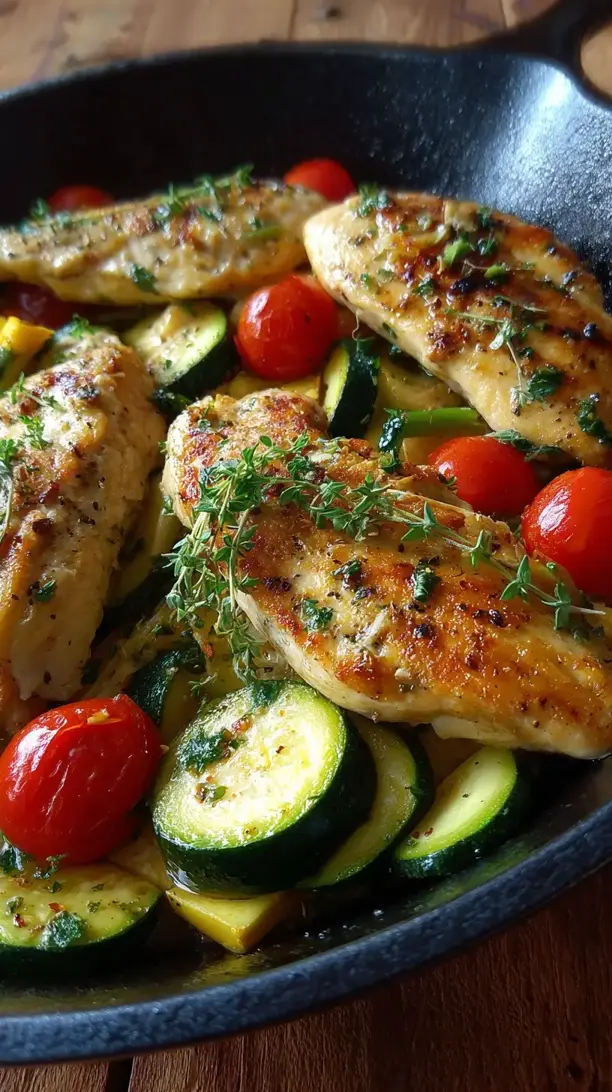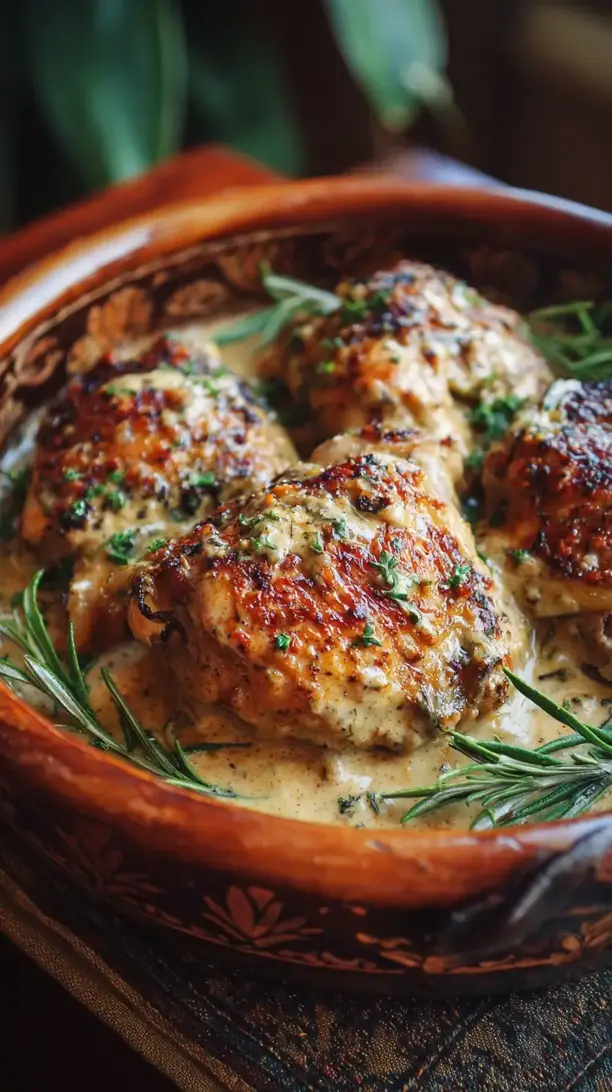
This Plum Sauce Chicken recipe delivers a sweet, tangy glaze over tender chicken in one pan. It’s a weeknight hero with minimal effort and maximum flavor. The sticky plum sauce caramelizes beautifully for a restaurant-worthy meal.
If you're looking for the perfect Plum Sauce Chicken, you're in the right place. Whether you love Chicken Breast Recipes or want to explore our Breakfast & Brunch collection, we've got you covered.

Why You’ll Love This Plum Sauce Chicken
- Versatile serving: Works with rice, noodles, or salad.
- Perfect sweet-savory balance: Not overly sugary, deeply satisfying.
- One-pan wonder: Sear, simmer, and serve with fewer dishes.
- Fancy yet approachable: Impressive results for any skill level.
Ingredients & Tools
- 600 g boneless, skinless chicken thighs
- 4 ripe plums, pitted and chopped
- 3 cloves garlic, minced
- 1 tbsp fresh ginger, grated
- 3 tbsp soy sauce
- 2 tbsp rice vinegar
- 1 tbsp honey or maple syrup
- 1 tsp sesame oil
- 1/2 tsp Chinese five-spice powder (optional)
- 2 spring onions, sliced
- 1 tbsp vegetable oil
- Salt and black pepper to taste
- 1 tbsp cornstarch mixed with 2 tbsp water (slurry)
Tools: Large skillet or frying pan, wooden spoon, measuring spoons, sharp knife, cutting board
Notes: Use ripe, fragrant plums for best flavor. Fresh ginger and garlic are recommended over dried.
Nutrition (per serving)
| Calories: | 320 kcal |
| Protein: | 28 g |
| Fat: | 12 g |
| Carbs: | 24 g |
| Fiber: | 2 g |
Serves: 4 | Prep Time: 15 minutes | Cook Time: 20 minutes | Total Time: 35 minutes
Before You Start: Tips & Ingredient Notes
- Choose the right plums. Look for plums that are ripe but still firm enough to chop. Overly soft plums will break down too quickly and can make the sauce watery.
- Don’t skip the cornstarch slurry. This is what gives the sauce that lovely, clingy texture. Mix it just before using so it doesn’t settle.
- Why chicken thighs? Thighs stay juicier and more tender through the simmering process compared to breast meat, which can dry out. If you must use breast, cut it into smaller pieces and reduce cooking time.
- Taste your plums first. If they’re particularly tart, you might want to add an extra half tablespoon of honey. If they’re very sweet, you can reduce it slightly—the sauce should have a balanced sweet-tangy kick.
How to Make Plum Sauce Chicken
Step 1: Start by prepping your ingredients—chop the plums, mince the garlic, grate the ginger, and slice the spring onions. Pat the chicken thighs dry with a paper towel and season both sides generously with salt and black pepper. You’ll notice that drying the chicken helps it get a beautiful golden sear instead of steaming in the pan.
Step 2: Heat the vegetable oil in a large skillet over medium-high heat. Once the oil is shimmering, add the chicken thighs in a single layer—don’t overcrowd the pan. Sear for about 4–5 minutes per side, until they develop a deep golden-brown crust. They don’t need to be cooked through at this stage—you’ll finish them in the sauce. Remove the chicken from the pan and set aside on a plate.
Step 3: In the same skillet, lower the heat to medium and add the chopped plums, garlic, and ginger. Sauté for 2–3 minutes, stirring frequently, until the plums start to break down and release their juices. You should smell the gorgeous aroma of ginger and garlic mingling with the fruit—it’s a sign you’re on the right track.
Step 4: Pour in the soy sauce, rice vinegar, honey, and sesame oil. If you’re using five-spice powder, add it now. Stir everything together, scraping up any browned bits from the bottom of the pan—those little bits are packed with flavor. Let the sauce simmer for 3–4 minutes until the plums are soft and the liquid has reduced slightly.
Step 5: Use a fork or potato masher to gently mash the plums right in the pan—you’re aiming for a chunky sauce texture, not completely smooth. This helps thicken the sauce naturally and gives it body.
Step 6: Return the seared chicken thighs to the skillet, nestling them into the plum sauce. Spoon some sauce over the top of each piece. Reduce the heat to low, cover the pan, and let it simmer for 10–12 minutes, until the chicken is cooked through and tender.
Step 7: Remove the lid and give the cornstarch slurry a quick stir before drizzling it into the sauce. Stir gently—you’ll see the sauce start to thicken almost immediately into a glossy, sticky glaze that coats the back of a spoon. Let it bubble for another minute.
Step 8: Turn off the heat and stir in most of the sliced spring onions, reserving some for garnish. Give everything a final taste and adjust seasoning if needed—sometimes a extra splash of rice vinegar can brighten it up. Serve immediately over steamed rice or noodles, with the remaining spring onions sprinkled on top.
Storage & Freshness Guide
- Fridge: Cool completely, store in airtight container up to 3 days.
- Freezer: Freeze in airtight container up to 3 months. Thaw in fridge before reheating.
- Reviving: Reheat gently with a splash of water to loosen sauce.
Serving Suggestions
Complementary Dishes
- Steamed jasmine rice — The fluffy grains soak up the plum sauce beautifully, making every bite a perfect balance of savory and sweet.
- Stir-fried greens with garlic — Something like bok choy or broccoli adds a fresh, crisp contrast to the rich, sticky chicken.
- Quick-pickled cucumber salad — The sharp, tangy crunch cuts through the sweetness and cleanses the palate between bites.
Drinks
- Cold jasmine tea — Its floral notes complement the fruity plum without overpowering the dish, and it’s wonderfully refreshing.
- Light-bodied red wine — A Pinot Noir or Gamay has enough acidity to stand up to the sweet-savory sauce without clashing.
- Ginger beer — The spicy kick echoes the ginger in the recipe and adds a fun, fizzy element to the meal.
Something Sweet
- Lychee sorbet — Light, floral, and icy-cold, it’s a perfect palate-cleanser that continues the fruity theme without being too heavy.
- Sesame cookies — Their nutty, slightly savory sweetness pairs surprisingly well with the plum sauce flavors you’ve just enjoyed.
- Mango sticky rice — If you’re going all out, this tropical treat feels like a natural progression from the Asian-inspired main course.
Top Mistakes to Avoid
- Overcrowding the pan when searing the chicken. If you add too much chicken at once, the pan temperature drops and the chicken steams instead of searing—you’ll miss out on those delicious browned bits and the texture suffers.
- Using rock-hard plums. Underripe plums won’t break down properly and can leave the sauce tart and lacking in depth. If your plums are firm, let them sit on the counter for a day or two until slightly softened.
- Skipping the sear on the chicken. That initial browning isn’t just for looks—it builds a foundation of flavor that carries through the entire dish. I’ve rushed this step before and regretted it!
- Adding the cornstarch slurry to boiling sauce without stirring. It can clump up instantly. Always mix your slurry well right before adding, and drizzle it in while stirring constantly for a smooth, glossy finish.
Expert Tips
- Tip: For an extra layer of flavor, marinate the chicken in a tablespoon of soy sauce and a teaspoon of rice vinegar for 15–20 minutes before cooking. It adds depth and helps tenderize the meat.
- Tip: If you prefer a smoother sauce, you can blend it with an immersion blender after the plums have softened but before you return the chicken to the pan. I like a bit of texture, but it’s entirely up to you.
- Tip: Make a double batch of the plum sauce and freeze it in an airtight container. It keeps beautifully for up to three months and you can use it as a glaze for pork, salmon, or even roasted vegetables.
- Tip: If your sauce becomes too thick after adding the cornstarch, just stir in a tablespoon or two of water or chicken broth until it reaches your desired consistency. The sauce should coat the back of a spoon but still be pourable.
FAQs
Can I use canned plums or plum jam instead of fresh plums?
Yes, you can! If using canned plums, drain them well and reduce any added sweetener since they’re often packed in syrup. For plum jam, use about ½ cup and thin it with a couple tablespoons of water or broth—skip the mashing step since the jam will already be smooth. The flavor will be slightly different but still delicious.
How do I store and reheat leftovers?
Store cooled leftovers in an airtight container in the refrigerator for up to 3 days. Reheat gently in a skillet over low heat with a splash of water to loosen the sauce, or in the microwave at 50% power, stirring occasionally. Avoid high heat, which can make the chicken rubbery and the sauce separate.
Can I make this recipe with tofu or another protein?
Absolutely! Firm tofu, pressed and cubed, works wonderfully—pan-fry it until golden before adding to the sauce. Pork tenderloin or shrimp are also great options. Adjust cooking times accordingly; shrimp will only need 2–3 minutes in the sauce until pink and cooked through.
My sauce is too tart—how can I fix it?
Stir in an additional teaspoon of honey or maple syrup and let it simmer for another minute. Taste and repeat if needed. Sometimes a pinch of salt can also help balance excessive tartness by enhancing the other flavors.
Is it possible to make this dish ahead for a dinner party?
Yes, you can prepare it completely up to a day in advance. Let it cool, then refrigerate. Gently reheat on the stove, adding a little water if the sauce has thickened too much. The flavors often meld and improve overnight, making it a fantastic make-ahead option.

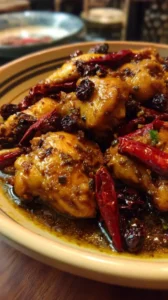

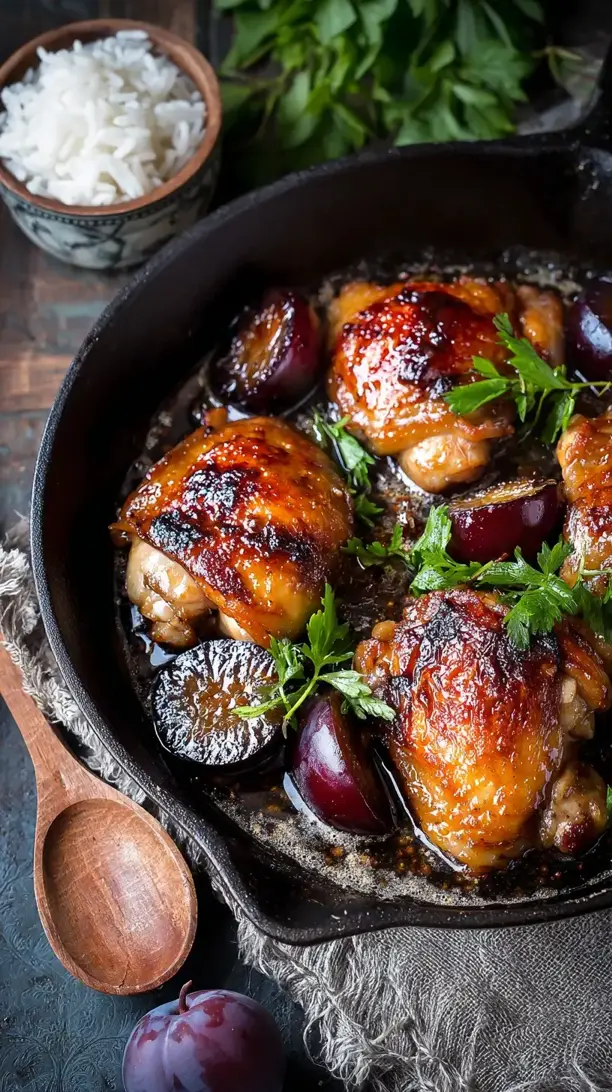
Plum Sauce Chicken
Make this easy Plum Sauce Chicken with a sweet, tangy glaze in one pan. Perfect for a quick weeknight dinner. Get the simple recipe now!
Ingredients
For the Ingredients
-
600 g boneless, skinless chicken thighs
-
4 ripe plums (pitted and chopped)
-
3 cloves garlic (minced)
-
1 tbsp fresh ginger (grated)
-
3 tbsp soy sauce
-
2 tbsp rice vinegar
-
1 tbsp honey or maple syrup
-
1 tsp sesame oil
-
1/2 tsp Chinese five-spice powder (optional)
-
2 spring onions (sliced)
-
1 tbsp vegetable oil
-
Salt and black pepper (to taste)
-
1 tbsp cornstarch mixed with 2 tbsp water (slurry)
Instructions
-
Start by prepping your ingredients—chop the plums, mince the garlic, grate the ginger, and slice the spring onions. Pat the chicken thighs dry with a paper towel and season both sides generously with salt and black pepper.01
-
Heat the vegetable oil in a large skillet over medium-high heat. Once the oil is shimmering, add the chicken thighs in a single layer—don’t overcrowd the pan. Sear for about 4–5 minutes per side, until they develop a deep golden-brown crust. They don’t need to be cooked through at this stage—you’ll finish them in the sauce. Remove the chicken from the pan and set aside on a plate.02
-
In the same skillet, lower the heat to medium and add the chopped plums, garlic, and ginger. Sauté for 2–3 minutes, stirring frequently, until the plums start to break down and release their juices.03
-
Pour in the soy sauce, rice vinegar, honey, and sesame oil. If you’re using five-spice powder, add it now. Stir everything together, scraping up any browned bits from the bottom of the pan. Let the sauce simmer for 3–4 minutes until the plums are soft and the liquid has reduced slightly.04
-
Use a fork or potato masher to gently mash the plums right in the pan—you’re aiming for a chunky sauce texture, not completely smooth.05
-
Return the seared chicken thighs to the skillet, nestling them into the plum sauce. Spoon some sauce over the top of each piece. Reduce the heat to low, cover the pan, and let it simmer for 10–12 minutes, until the chicken is cooked through and tender.06
-
Remove the lid and give the cornstarch slurry a quick stir before drizzling it into the sauce. Stir gently—you’ll see the sauce start to thicken almost immediately into a glossy, sticky glaze that coats the back of a spoon. Let it bubble for another minute.07
-
Turn off the heat and stir in most of the sliced spring onions, reserving some for garnish. Give everything a final taste and adjust seasoning if needed. Serve immediately over steamed rice or noodles, with the remaining spring onions sprinkled on top.08
Not what you're looking for?