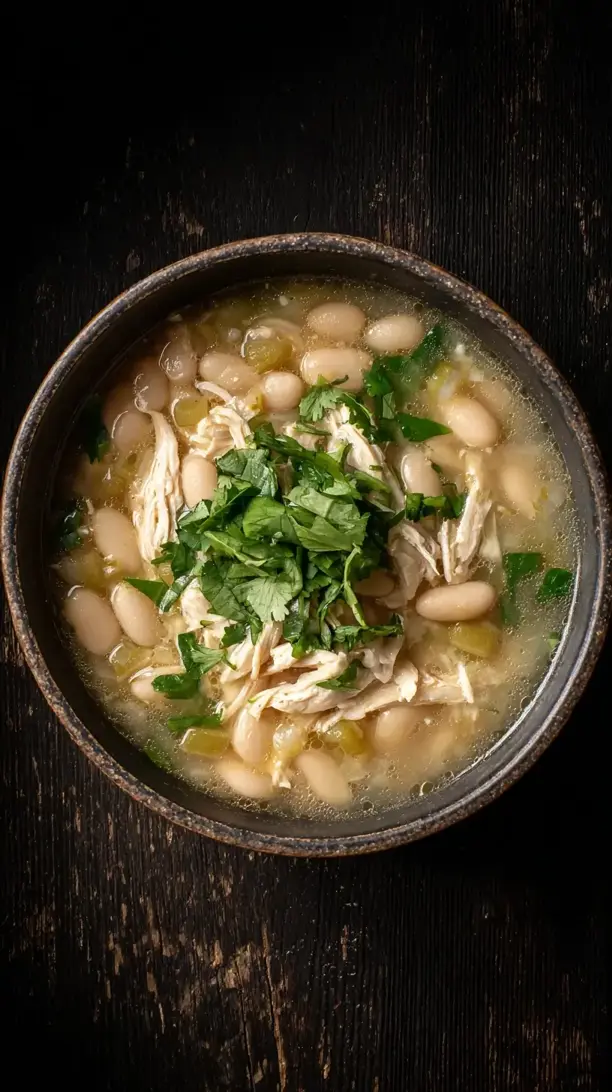
This Sticky Chicken recipe delivers a sweet, savory, and glossy glaze that clings to tender chicken. It’s incredibly easy to make and feels special enough for any occasion. The sticky sauce caramelizes beautifully, filling your kitchen with an irresistible aroma.
Love Sticky Chicken? So do we! If you're into Chicken Recipes or curious about Appetizers & Snacks, you'll find plenty of inspiration below.

Why You’ll Love This Sticky Chicken
- Incredibly flavorful: Sweet, salty, and savory sauce caramelizes on the chicken.
- Surprisingly simple: No fancy skills or hard-to-find ingredients needed.
- Divine texture: Tender inside with a sticky, glossy glaze outside.
- Crowd-pleaser: Universally loved by all ages for its comforting flavors.
Ingredients & Tools
- 600 g boneless, skinless chicken thighs
- 3 tbsp soy sauce
- 2 tbsp honey
- 1 tbsp rice vinegar
- 2 cloves garlic, minced
- 1 tsp fresh ginger, grated
- 1 tbsp vegetable oil
- 2 tbsp brown sugar
- 1 tsp sesame oil
- 1 tbsp cornstarch
- 2 tbsp water
- 2 spring onions, sliced
- 1 tsp sesame seeds
Tools: A large skillet or frying pan, a small bowl for mixing, measuring spoons, and a microplane or fine grater for the ginger.
Notes: The quality of your ingredients really shines here, especially the soy sauce and honey. Fresh ginger and garlic provide a brighter, more aromatic flavor.
Nutrition (per serving)
| Calories: | 320 kcal |
| Protein: | 28 g |
| Fat: | 12 g |
| Carbs: | 22 g |
| Fiber: | 0.5 g |
Serves: 4 | Prep Time: 10 minutes | Cook Time: 20 minutes | Total Time: 30 minutes
Before You Start: Tips & Ingredient Notes
- Chicken thigh vs. breast. I highly recommend using chicken thighs for this recipe. They have more fat, which means they stay incredibly juicy and tender during the cooking process. Chicken breast can work, but it can dry out more easily if you’re not careful.
- Why fresh ginger and garlic? While powdered versions are convenient, the fresh aromatics provide a much more vibrant and complex flavor profile. That little bit of extra effort grating and mincing is absolutely worth it for the final taste.
- The role of cornstarch. This is our thickening agent. It’s what helps transform the liquid sauce into that gorgeous, clingy glaze that coats the chicken so perfectly. Make sure to mix it with cold water first to create a slurry—this prevents lumps in your sauce.
- Don’t skip the sesame oil. It’s added at the end, and it gives a wonderful nutty aroma that really elevates the dish. It has a low smoke point, so we add it off the heat to preserve its flavor.
How to Make Sticky Chicken
Step 1: Start by preparing your chicken. If your chicken thighs are very large, you can cut them in half to create more uniform, bite-sized pieces. Pat them completely dry with a paper towel—this is a small but crucial step. A dry surface will help the chicken brown beautifully instead of steaming, giving you those lovely caramelized bits that add so much flavor.
Step 2: In a small bowl, whisk together the soy sauce, honey, rice vinegar, minced garlic, grated ginger, and brown sugar. This is your magic sauce. Give it a taste—you’ll notice the balance of salty from the soy and sweet from the honey and sugar. The rice vinegar adds a subtle tang that keeps it from being too cloying. Set this aside for now.
Step 3: Heat the vegetable oil in a large skillet over medium-high heat. Once the oil is shimmering, carefully add the chicken pieces in a single layer. Don’t overcrowd the pan; you might need to do this in two batches. Let the chicken cook undisturbed for about 4-5 minutes, until a golden-brown crust forms on one side.
Step 4: Flip the chicken pieces and cook for another 3-4 minutes on the other side. The chicken doesn’t need to be fully cooked through at this stage, as it will finish cooking in the sauce. You’re just looking for a nice color on both sides. Remove the chicken from the skillet and set it aside on a plate.
Step 5: Reduce the heat to medium. Pour your pre-mixed sauce into the hot skillet. It will sizzle and bubble up—that’s a good sign! Scrape up any browned bits from the bottom of the pan with your spatula. Those bits are pure flavor gold, and they’ll melt right into your sauce.
Step 6: In the same small bowl you used for the sauce (less washing up!), quickly mix the cornstarch with the cold water until it’s completely smooth with no lumps. This is your slurry. While the sauce in the pan is simmering, slowly drizzle in the cornstarch slurry, whisking constantly.
Step 7: Let the sauce simmer for about a minute, stirring frequently. You’ll see it start to thicken and become glossy. Now, return the cooked chicken (and any accumulated juices from the plate) back to the skillet. Toss the chicken to coat it evenly in the thickening sauce.
Step 8: Continue to cook for another 4-5 minutes, turning the chicken occasionally, until the sauce has reduced to a thick, sticky glaze that clings to the chicken pieces. The chicken should be cooked through and register 74°C (165°F) on an instant-read thermometer.
Step 9: Turn off the heat. Drizzle the teaspoon of sesame oil over the chicken and give it one final toss. The residual heat will warm the oil and release its incredible aroma without burning it.
Step 10: Transfer your sticky chicken to a serving platter. Immediately garnish with the sliced spring onions and a sprinkle of sesame seeds for a pop of color and a final layer of texture and flavor. Serve it hot and watch it disappear!
Storage & Freshness Guide
- Fridge: Cool completely, store in an airtight container for up to 3 days.
- Freezer: Freeze in a sealed container for up to 2 months. Sauce may lose some gloss.
- Reviving: Reheat gently on stovetop with a splash of water to loosen sauce.
Serving Suggestions
Complementary Dishes
- Steamed jasmine rice — The fluffy, slightly fragrant rice is the perfect neutral base to soak up every last drop of that incredible sticky sauce.
- Quick-pickled cucumber salad — The sharp, refreshing crunch of pickled cucumbers provides a brilliant contrast to the rich, sweet, and savory chicken.
- Stir-fried greens with garlic — Something like bok choy or broccoli stir-fried with a bit of garlic adds a healthy, savory element that rounds out the meal beautifully.
Drinks
- Iced green tea with lemon — The clean, slightly bitter notes of the tea help cleanse the palate between bites of the rich chicken, while the lemon adds a zesty lift.
- A light, crisp lager — The carbonation and mild bitterness of a good lager cut through the sweetness of the glaze and refresh your taste buds.
- Ginger ale or ginger beer — The spicy-sweet fizz echoes the ginger in the dish itself, making for a really harmonious pairing, especially for a non-alcoholic option.
Something Sweet
- Mango sorbet — The tropical, fruity sweetness and icy texture are a fantastic, light way to finish the meal after the savory intensity of the sticky chicken.
- Fortune cookies and green tea ice cream — A classic duo that continues the Asian-inspired theme with a cool, creamy, and slightly bitter-sweet endnote.
- Lychee fruit — Fresh, canned, or lychee jelly—their floral sweetness and juicy texture provide a simple, elegant, and refreshing finale.
Top Mistakes to Avoid
- Overcrowding the pan when browning the chicken. If you put too much chicken in the pan at once, it will steam instead of sear. You’ll miss out on those delicious browned bits and the deep flavor they provide. Cook in batches if needed.
- Adding the cornstarch directly to the hot sauce. This is a surefire way to end up with a lumpy, gloopy sauce. Always mix your cornstarch with cold water first to create a smooth slurry before incorporating it.
- Using high heat when reducing the sauce. After you add the sauce back to the pan, keep the heat at a steady medium. If it’s too high, the sugar in the honey and brown sugar can burn quickly, giving the dish a bitter taste.
- Skipping the final garnish. The spring onions and sesame seeds aren’t just for looks. They add a fresh, sharp bite and a nutty crunch that provides important textural and flavor contrast to the sticky chicken.
Expert Tips
- Tip: For an extra layer of flavor, marinate the chicken in half of the sauce (before you add the cornstarch slurry) for 30 minutes in the fridge. You’ll get a more deeply seasoned chicken, and you can use the other half of the sauce for cooking.
- Tip: If your sauce thickens too much before the chicken is fully cooked, don’t panic! Just add a tablespoon or two of water or chicken stock to thin it out slightly. You can always let it reduce a bit more at the end.
- Tip: To get a really restaurant-style glossy finish on your sauce, add a tiny knob of cold butter right at the end, after you’ve turned off the heat. Swirl it in until it melts—it adds a beautiful sheen and a touch of richness.
- Tip: If you love a bit of heat, add a teaspoon of sriracha or a pinch of red pepper flakes to the sauce mixture. It introduces a gentle warmth that plays wonderfully with the sweet and salty flavors.
FAQs
Can I make this Sticky Chicken ahead of time?
Absolutely, you can! It reheats surprisingly well. Let the cooked chicken cool completely, then store it in an airtight container in the fridge for up to 3 days. When you’re ready to eat, reheat it gently in a skillet over low heat, adding a splash of water to loosen the sauce back up. You can also reheat it in the microwave, stirring every 30 seconds until hot.
Can I use chicken breasts instead of thighs?
You can, but you’ll need to adjust your cooking time. Chicken breasts are leaner and can dry out more easily. If using breasts, cut them into smaller, even-sized pieces and reduce the initial browning time by a minute or so on each side. Keep a close eye on them when they’re simmering in the sauce to ensure they don’t overcook and become tough.
My sauce isn’t thickening. What did I do wrong?
This usually happens if the cornstarch slurry wasn’t mixed properly or if the sauce wasn’t at a simmer when you added it. The sauce needs to be bubbling gently to activate the cornstarch’s thickening power. If it’s still thin, mix another half teaspoon of cornstarch with a tablespoon of cold water and stir it in, letting it simmer for another minute.
Is there a substitute for honey?
Yes, maple syrup or agave nectar will work beautifully as a one-to-one substitute for the honey. They both provide a similar sweetness and sticky quality. If you want a less refined option, you could also use a light brown sugar syrup, though the flavor will be slightly different.
Can I freeze the cooked Sticky Chicken?
You can, but the texture of the sauce may change slightly upon thawing due to the cornstarch. It can become a little less glossy. Freeze it in a sealed container for up to 2 months. Thaw overnight in the refrigerator and reheat gently on the stovetop, adding a little water or stock to bring the sauce back to the right consistency.



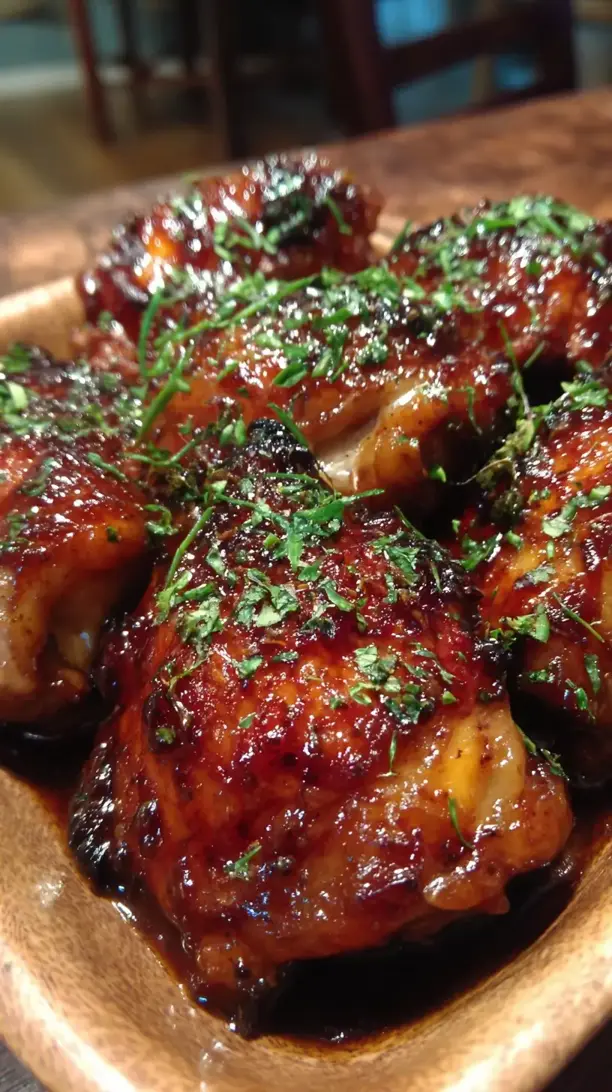
Sticky Chicken
Make the best Sticky Chicken with this easy recipe! A sweet and savory glaze coats tender chicken for a perfect 30-minute meal. Get the recipe and cook it tonight!
Ingredients
For the Ingredients
-
600 g boneless, skinless chicken thighs
-
3 tbsp soy sauce
-
2 tbsp honey
-
1 tbsp rice vinegar
-
2 cloves garlic (minced)
-
1 tsp fresh ginger (grated)
-
1 tbsp vegetable oil
-
2 tbsp brown sugar
-
1 tsp sesame oil
-
1 tbsp cornstarch
-
2 tbsp water
-
2 spring onions (sliced)
-
1 tsp sesame seeds
Instructions
-
Start by preparing your chicken. If your chicken thighs are very large, you can cut them in half to create more uniform, bite-sized pieces. Pat them completely dry with a paper towel—this is a small but crucial step. A dry surface will help the chicken brown beautifully instead of steaming, giving you those lovely caramelized bits that add so much flavor.01
-
In a small bowl, whisk together the soy sauce, honey, rice vinegar, minced garlic, grated ginger, and brown sugar. This is your magic sauce. Give it a taste—you’ll notice the balance of salty from the soy and sweet from the honey and sugar. The rice vinegar adds a subtle tang that keeps it from being too cloying. Set this aside for now.02
-
Heat the vegetable oil in a large skillet over medium-high heat. Once the oil is shimmering, carefully add the chicken pieces in a single layer. Don’t overcrowd the pan; you might need to do this in two batches. Let the chicken cook undisturbed for about 4-5 minutes, until a golden-brown crust forms on one side.03
-
Flip the chicken pieces and cook for another 3-4 minutes on the other side. The chicken doesn’t need to be fully cooked through at this stage, as it will finish cooking in the sauce. You’re just looking for a nice color on both sides. Remove the chicken from the skillet and set it aside on a plate.04
-
Reduce the heat to medium. Pour your pre-mixed sauce into the hot skillet. It will sizzle and bubble up—that’s a good sign! Scrape up any browned bits from the bottom of the pan with your spatula. Those bits are pure flavor gold, and they’ll melt right into your sauce.05
-
In the same small bowl you used for the sauce (less washing up!), quickly mix the cornstarch with the cold water until it’s completely smooth with no lumps. This is your slurry. While the sauce in the pan is simmering, slowly drizzle in the cornstarch slurry, whisking constantly.06
-
Let the sauce simmer for about a minute, stirring frequently. You’ll see it start to thicken and become glossy. Now, return the cooked chicken (and any accumulated juices from the plate) back to the skillet. Toss the chicken to coat it evenly in the thickening sauce.07
-
Continue to cook for another 4-5 minutes, turning the chicken occasionally, until the sauce has reduced to a thick, sticky glaze that clings to the chicken pieces. The chicken should be cooked through and register 74°C (165°F) on an instant-read thermometer.08
-
Turn off the heat. Drizzle the teaspoon of sesame oil over the chicken and give it one final toss. The residual heat will warm the oil and release its incredible aroma without burning it.09
-
Transfer your sticky chicken to a serving platter. Immediately garnish with the sliced spring onions and a sprinkle of sesame seeds for a pop of color and a final layer of texture and flavor. Serve it hot and watch it disappear!10
Not what you're looking for?