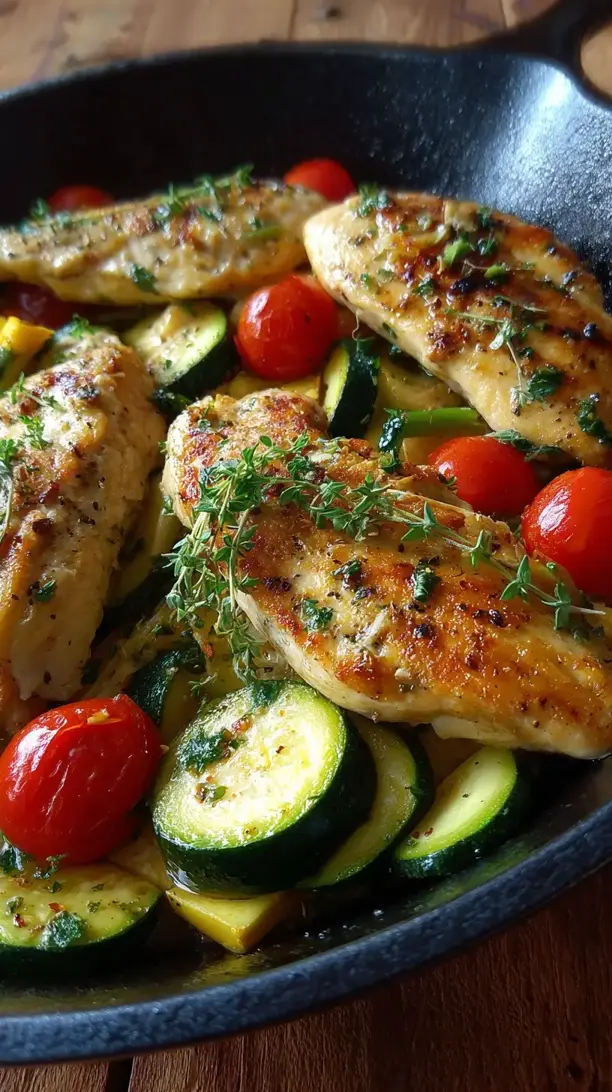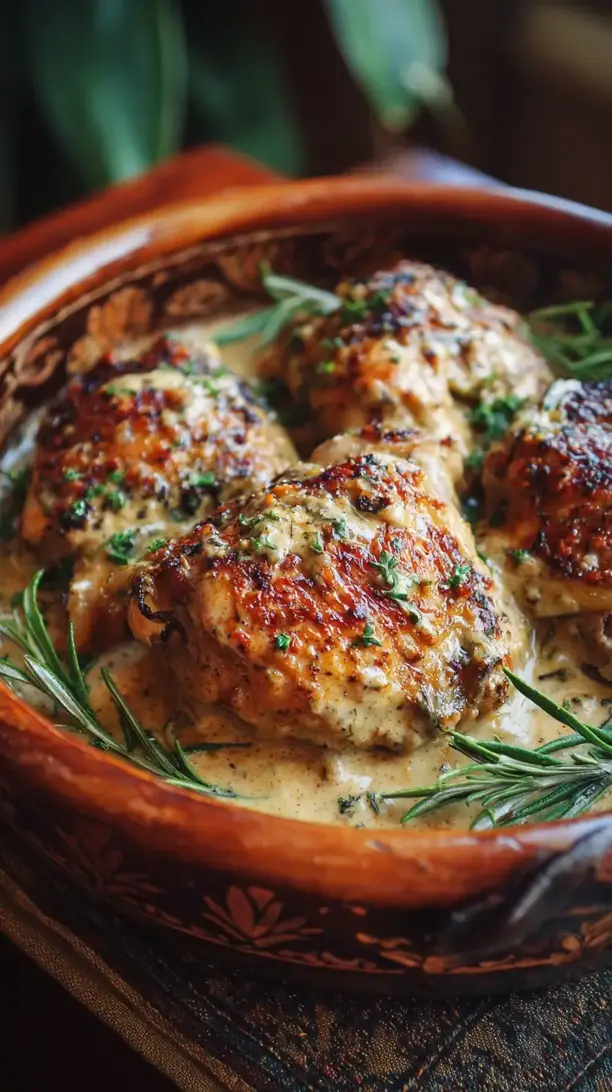
There’s something incredibly comforting about the aroma of rosemary and garlic filling your kitchen. This Rosemary Chicken Breast recipe is elegant yet simple, delivering juicy, herb-speckled chicken with a glossy pan sauce every time.
If you're looking for the perfect Rosemary Chicken Breast, you're in the right place. Whether you love Chicken Breast Recipes or want to explore our Burgers collection, we've got you covered.



Why You’ll Love This Rosemary Chicken Breast
- Juicy & never dry: Simple brining and searing keep it moist.
- Intoxicating aroma: Fresh rosemary and garlic make it special.
- Versatile for any occasion: Fancy enough for dates, easy for weeknights.
- Pantry-friendly ingredients: You likely have everything except fresh rosemary.
Ingredients & Tools
- 2 large boneless, skinless chicken breasts (about 1.5 lbs / 680 g total)
- 3 tbsp olive oil, divided
- 4 cloves garlic, minced
- 2 tbsp fresh rosemary, finely chopped
- 1 tsp kosher salt
- ½ tsp freshly ground black pepper
- ½ cup chicken broth
- 2 tbsp unsalted butter
- 1 tbsp fresh lemon juice
Tools: 10–12 inch skillet (preferably stainless steel or cast iron), instant-read thermometer, tongs, cutting board
Notes: Using fresh rosemary really does make a difference here—dried just doesn’t deliver that same vibrant, aromatic punch. And don’t skip the butter at the end; it adds a lovely richness to the pan sauce and helps all those herby flavors cling to the chicken beautifully.
Nutrition (per serving)
| Calories: | 320 kcal |
| Protein: | 35 g |
| Fat: | 18 g |
| Carbs: | 2 g |
| Fiber: | 0.5 g |
Serves: 2 | Prep Time: 10 minutes | Cook Time: 15 minutes | Total Time: 25 minutes
Before You Start: Tips & Ingredient Notes
- Bring your chicken to room temperature. Letting it sit out for 15–20 minutes before cooking ensures more even cooking from edge to center, so you avoid that dreaded raw-in-the-middle scenario.
- Use an instant-read thermometer. This is the single best way to guarantee perfectly cooked chicken every time—no guesswork, no cutting into the meat and losing precious juices.
- Don’t skimp on the fresh rosemary. The woody, fragrant quality of fresh rosemary is central to this dish. If you must substitute, use half the amount of dried, but fresh is highly recommended for the best flavor.
- Pat your chicken completely dry. Moisture is the enemy of a good sear. Taking a moment to dry the surface with paper towels will give you that gorgeous golden-brown crust we’re after.
How to Make Rosemary Chicken Breast
Step 1: Start by prepping your chicken. If your breasts are particularly thick or uneven, place them between two pieces of plastic wrap and gently pound the thicker parts with a rolling pin or meat mallet until they’re an even ¾-inch thickness. This helps them cook uniformly. Pat them completely dry with paper towels—this step is crucial for that beautiful sear. Season both sides generously with the kosher salt and black pepper, rubbing it in gently.
Step 2: Heat 2 tablespoons of olive oil in your skillet over medium-high heat. You’ll know it’s ready when the oil shimmers and a drop of water sizzles immediately. Carefully place the chicken breasts in the pan, laying them away from you to avoid oil splatter. They should sizzle the moment they hit the pan—that’s the sound of a good sear forming.
Step 3: Cook the chicken without moving it for 5–7 minutes, until a deep golden-brown crust forms on the bottom. You can peek by lifting a corner with tongs. The edges will start to turn opaque, and you might notice some caramelized bits forming in the pan—that’s flavor gold, so don’t scrape it away yet.
Step 4: Flip the chicken breasts. They should release easily from the pan if a good crust has formed. Cook for another 5–7 minutes on the second side. Now, this is where the thermometer comes in—check the internal temperature in the thickest part. You’re aiming for 155–160°F (68–71°C). Remember, carryover cooking will bring it up to the safe 165°F (74°C) as it rests.
Step 5: Transfer the chicken to a clean plate or cutting board to rest. Do not slice into it yet—letting it rest allows the juices to redistribute throughout the meat, ensuring every bite is succulent. Tent it loosely with foil to keep it warm while you make the pan sauce.
Step 6: Reduce the heat to medium and add the remaining 1 tablespoon of olive oil to the same skillet. Add the minced garlic and chopped rosemary. Sauté for about 30–60 seconds, stirring constantly, until fragrant but not browned—you’ll notice the rosemary becomes even more aromatic as it heats.
Step 7: Pour in the chicken broth, using your wooden spoon to scrape up all those delicious browned bits from the bottom of the pan. Let the broth simmer and reduce by about half, which should take 2–3 minutes. The sauce will start to look slightly thickened and more concentrated in flavor.
Step 8: Remove the skillet from the heat and stir in the butter and lemon juice. Swirl the pan until the butter melts completely and emulsifies into the sauce, creating a velvety, glossy texture. Taste and adjust seasoning with a pinch more salt or pepper if needed.
Step 9: Return the rested chicken breasts to the pan, along with any accumulated juices on the plate. Spoon the fragrant rosemary-garlic sauce over the chicken, coating it thoroughly. Let it warm through for just a minute before serving. The chicken should feel firm yet springy to the touch, and when you slice into it, the interior will be uniformly white and juicy.
Storage & Freshness Guide
- Fridge: Store cooled chicken and sauce in an airtight container for up to 3 days.
- Freezer: Freeze in a sealed container for up to 2 months; thaw in fridge before reheating.
- Reviving: Reheat gently in a skillet with a splash of broth, covered, to preserve texture.
Serving Suggestions
Complementary Dishes
- Creamy Parmesan Polenta — The soft, comforting texture of polenta makes the perfect bed for soaking up every last drop of that herby pan sauce.
- Garlic Roasted Asparagus — The earthy, slightly charred flavor of roasted asparagus complements the rosemary beautifully and adds a lovely textural contrast.
- Buttery Mashed Potatoes — Sometimes you just can’t beat a classic—fluffy mashed potatoes are a heavenly vehicle for that rich, garlicky sauce.
Drinks
- Crisp Sauvignon Blanc — Its bright acidity and citrus notes cut through the richness of the dish and enhance the herbal flavors beautifully.
- Light-bodied Pinot Noir — If you prefer red, a Pinot Noir with its subtle earthiness won’t overpower the chicken and actually complements the rosemary.
- Sparkling Water with Lemon — For a non-alcoholic option, the effervescence cleanses the palate between bites, making each taste of the chicken feel fresh and new.
Something Sweet
- Lemon Sorbet — The bright, clean citrus flavor is a refreshing palate cleanser after the savory, herb-forward main course.
- Olive Oil Cake — Its subtle herbal notes and moist texture create a lovely, sophisticated echo of the rosemary used in the chicken.
- Dark Chocolate Truffles — A few bites of rich, slightly bitter chocolate provide a decadent yet simple finish that doesn’t feel too heavy.
Top Mistakes to Avoid
- Mistake: Crowding the pan. If you try to cook too many chicken breasts at once, they’ll steam instead of sear. You need space for moisture to evaporate so you get that beautiful golden crust.
- Mistake: Cooking straight from the fridge. Ice-cold chicken will cook unevenly, often resulting in a burnt exterior and undercooked center. Let it come to room temperature first for perfectly even cooking.
- Mistake: Slicing immediately after cooking. I know it’s tempting to dig right in, but cutting too soon lets all those precious juices run out onto the cutting board instead of staying in the meat.
- Mistake: Burning the garlic. Garlic cooks much faster than rosemary. If you add them at the same time for too long, the garlic can turn bitter and ruin the delicate balance of the sauce.
Expert Tips
- Tip: Butterfly thicker breasts for even cooking. If you can’t find uniformly thin chicken breasts, simply slice them horizontally almost all the way through and open them like a book. This creates a more consistent thickness for perfect doneness.
- Tip: Add a splash of white wine to the pan sauce. After searing the chicken, deglaze with ¼ cup of dry white wine before adding the broth. It adds a lovely layer of acidity and complexity to the sauce.
- Tip: Use herb stems for extra flavor. Before discarding your rosemary stems, toss a couple into the pan while the chicken cooks. They infuse the oil with an even deeper rosemary essence.
- Tip: Finish with a drizzle of high-quality olive oil. Just before serving, add a final swirl of a good, fruity extra virgin olive oil over the plated chicken. It brightens the dish and adds another layer of flavor.
FAQs
Can I use dried rosemary instead of fresh?
You can, but the flavor will be less vibrant and more concentrated. Use about 2 teaspoons of dried rosemary instead of 2 tablespoons fresh, and crush it between your fingers before adding to release its oils. Honestly, fresh is really worth seeking out for this recipe—the aromatic quality is just different. If you do use dried, add it earlier in the cooking process to allow more time for its flavor to mellow and integrate.
How do I know when the chicken is done without a thermometer?
While I strongly recommend a thermometer for accuracy, you can use the finger test: press the thickest part of the chicken with your finger. It should feel firm but still have a little give, similar to the fleshy part of your palm below your thumb. The juices should run clear, not pink, when pierced. But honestly, the thermometer removes all guesswork and is a small investment for perfectly cooked chicken every single time.
Can I make this recipe with chicken thighs?
Absolutely! Bone-in, skin-on thighs would be fantastic. You’ll want to increase the initial searing time to about 7–8 minutes per side to render the fat and crisp the skin, and the total cook time might be a few minutes longer. The richer flavor of thighs pairs wonderfully with the rosemary, and the higher fat content means they’re very forgiving if slightly overcooked.
What can I use if I don’t have chicken broth?
Vegetable broth works well, or even just water with an extra pinch of salt. The fond (those browned bits in the pan) and the butter will still create a flavorful sauce. For a richer option, you could use a splash of white wine or even a little dry vermouth—just let the alcohol cook off for a minute before adding the other sauce ingredients.
How should I store and reheat leftovers?
Store cooled chicken and sauce in an airtight container in the refrigerator for up to 3 days. To reheat, place it in a skillet over low heat with a tablespoon of water or broth, covered, until warmed through. Avoid the microwave if you can—it tends to make the chicken rubbery. The gentle stovetop method helps preserve the texture much better.



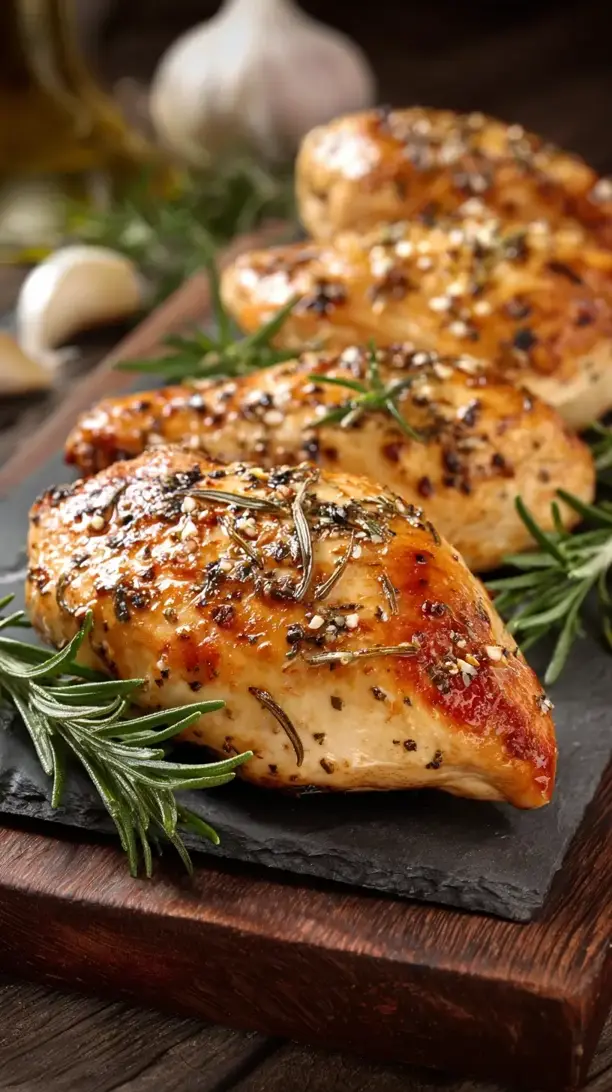
Rosemary Chicken Breast
Make juicy, flavorful Rosemary Chicken Breast with a glossy pan sauce in just 25 minutes. Perfect for weeknights or a date night. Get the easy recipe now!
Ingredients
For the Ingredients
-
2 large boneless, skinless chicken breasts (about 1.5 lbs / 680 g total)
-
3 tbsp olive oil (divided)
-
4 cloves garlic (minced)
-
2 tbsp fresh rosemary (finely chopped)
-
1 tsp kosher salt
-
½ tsp freshly ground black pepper
-
½ cup chicken broth
-
2 tbsp unsalted butter
-
1 tbsp fresh lemon juice
Instructions
-
Start by prepping your chicken. If your breasts are particularly thick or uneven, place them between two pieces of plastic wrap and gently pound the thicker parts with a rolling pin or meat mallet until they’re an even ¾-inch thickness. This helps them cook uniformly. Pat them completely dry with paper towels—this step is crucial for that beautiful sear. Season both sides generously with the kosher salt and black pepper, rubbing it in gently.01
-
Heat 2 tablespoons of olive oil in your skillet over medium-high heat. You’ll know it’s ready when the oil shimmers and a drop of water sizzles immediately. Carefully place the chicken breasts in the pan, laying them away from you to avoid oil splatter. They should sizzle the moment they hit the pan—that’s the sound of a good sear forming.02
-
Cook the chicken without moving it for 5–7 minutes, until a deep golden-brown crust forms on the bottom. You can peek by lifting a corner with tongs. The edges will start to turn opaque, and you might notice some caramelized bits forming in the pan—that’s flavor gold, so don’t scrape it away yet.03
-
Flip the chicken breasts. They should release easily from the pan if a good crust has formed. Cook for another 5–7 minutes on the second side. Now, this is where the thermometer comes in—check the internal temperature in the thickest part. You’re aiming for 155–160°F (68–71°C). Remember, carryover cooking will bring it up to the safe 165°F (74°C) as it rests.04
-
Transfer the chicken to a clean plate or cutting board to rest. Do not slice into it yet—letting it rest allows the juices to redistribute throughout the meat, ensuring every bite is succulent. Tent it loosely with foil to keep it warm while you make the pan sauce.05
-
Reduce the heat to medium and add the remaining 1 tablespoon of olive oil to the same skillet. Add the minced garlic and chopped rosemary. Sauté for about 30–60 seconds, stirring constantly, until fragrant but not browned—you’ll notice the rosemary becomes even more aromatic as it heats.06
-
Pour in the chicken broth, using your wooden spoon to scrape up all those delicious browned bits from the bottom of the pan. Let the broth simmer and reduce by about half, which should take 2–3 minutes. The sauce will start to look slightly thickened and more concentrated in flavor.07
-
Remove the skillet from the heat and stir in the butter and lemon juice. Swirl the pan until the butter melts completely and emulsifies into the sauce, creating a velvety, glossy texture. Taste and adjust seasoning with a pinch more salt or pepper if needed.08
-
Return the rested chicken breasts to the pan, along with any accumulated juices on the plate. Spoon the fragrant rosemary-garlic sauce over the chicken, coating it thoroughly. Let it warm through for just a minute before serving. The chicken should feel firm yet springy to the touch, and when you slice into it, the interior will be uniformly white and juicy.09
Not what you're looking for?