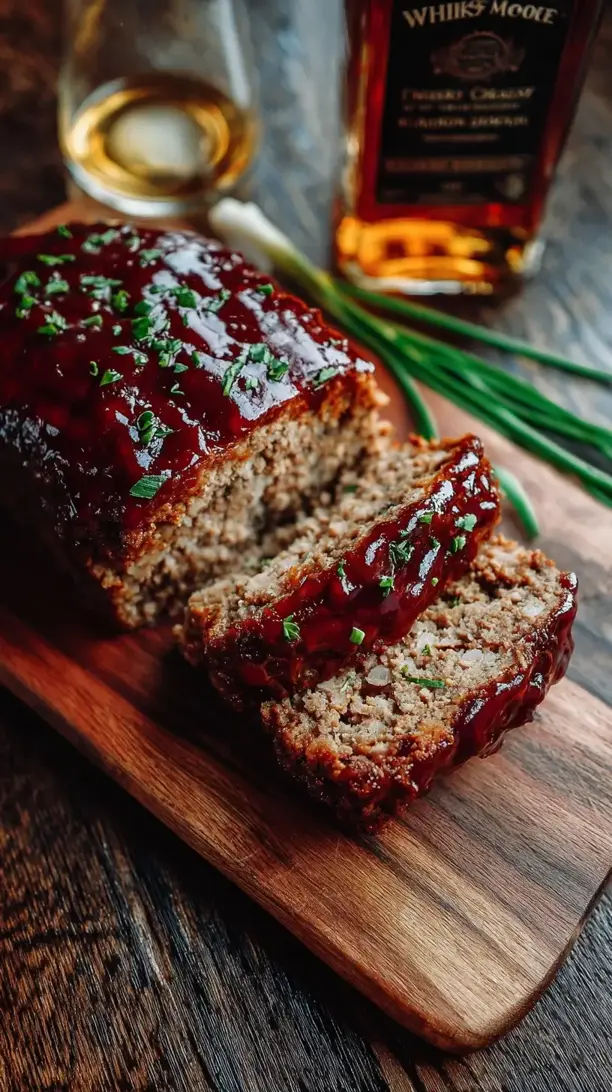
Sheet pan meatloaf is a game-changer for maximum crispy crust and even cooking. This freeform method delivers a juicy, savory slice with minimal cleanup. It’s a weeknight hero that feels special enough for Sunday supper.
Craving a delicious Sheet Pan Meatloaf? You've come to the right spot! From Meatloaf Recipes favorites to amazing Chicken Recipes recipes, there's something here for everyone.



Why You’ll Love This Sheet Pan Meatloaf
- Crispy edges: More surface area means more caramelized crust.
- Faster cooking: Evenly baked in half the time of a loaf pan.
- Easy cleanup: No greasy loaf pan; roast veggies alongside.
- Moist & flavorful: Panade and glaze ensure tender, juicy results.
Ingredients & Tools
- 1.5 lbs ground beef (85/15 lean-to-fat ratio is ideal)
- 1 cup panko breadcrumbs
- 2/3 cup whole milk
- 1 large yellow onion, finely diced
- 2 large cloves garlic, minced
- 2 large eggs, lightly beaten
- 2 tbsp Worcestershire sauce
- 1 tbsp Dijon mustard
- 1 tsp dried thyme
- 1 1/2 tsp kosher salt
- 1/2 tsp freshly ground black pepper
- 1/2 cup ketchup
- 2 tbsp brown sugar
- 1 tbsp apple cider vinegar
Tools: A large rimmed baking sheet (half-sheet pan), parchment paper (highly recommended!), a large mixing bowl, a small bowl for the glaze
Notes: Don’t skip soaking the breadcrumbs in milk—this “panade” is the secret to a tender meatloaf. A rimmed baking sheet is non-negotiable to catch rendered fat.
Nutrition (per serving)
| Calories: | 380 kcal |
| Protein: | 25 g |
| Fat: | 18 g |
| Carbs: | 25 g |
| Fiber: | 1 g |
Serves: 6 | Prep Time: 20 minutes | Cook Time: 30 minutes | Total Time: 50 minutes
Before You Start: Tips & Ingredient Notes
- Don’t use extra-lean ground beef. A little bit of fat (like an 85/15 blend) is essential for flavor and moisture. If you go too lean, your meatloaf can turn out dry and a bit crumbly.
- Why panko breadcrumbs? They’re lighter and airier than traditional fine breadcrumbs, which helps create a more tender texture. Letting them soak in the milk for a few minutes is a crucial step—it creates a paste that binds the meatloaf without making it dense.
- Mix with a light hand. The biggest mistake you can make is overworking the meat mixture. Use your hands or a fork and mix just until everything is combined. Overmixing develops the proteins in the meat and leads to a tough, tight-textured loaf.
- Line your sheet pan. Parchment paper isn’t just for easy cleanup—it also prevents the bottom of the meatloaf from sticking and ensures you get those beautiful, crispy edges intact when you slice it.
How to Make Sheet Pan Meatloaf
Step 1: Prepare the Panade and Sauté Aromatics. In your large mixing bowl, combine the panko breadcrumbs and milk. Stir it and then let it sit for about 5-10 minutes to allow the breadcrumbs to fully absorb the liquid—this is your panade, the key to tenderness. Meanwhile, heat a small skillet over medium heat with a tiny drizzle of oil. Add the finely diced onion and cook for 5-7 minutes until softened and translucent. Stir in the minced garlic and cook for just one more minute until fragrant. Let this mixture cool slightly before adding it to the meat. This step takes the raw edge off the onions and deepens their flavor.
Step 2: Combine the Meatloaf Mixture. To the bowl with your now-softened panade, add the ground beef, the slightly cooled onion and garlic mixture, the lightly beaten eggs, Worcestershire sauce, Dijon mustard, dried thyme, kosher salt, and black pepper. Now, the most important part: use your hands to gently mix everything together. I know it’s messy, but it’s the best tool for the job! Mix just until you no longer see streaks of egg or big pockets of breadcrumbs. Overmixing is the enemy of a tender meatloaf, so stop the moment it looks combined.
Step 3: Shape the Loaf on the Sheet Pan. Line your rimmed baking sheet with parchment paper. Transfer the meat mixture to the center of the prepared pan. Use your hands to shape it into a loaf that’s about 9 inches long, 5 inches wide, and roughly 1 ½ inches tall. You’re aiming for a uniform thickness so it cooks evenly. Don’t pack it down too firmly—a light touch helps keep the texture open and tender. Make sure there’s space around the entire loaf on the pan for air to circulate and for that beautiful browning to happen all over.
Step 4: Make and Apply the Glaze. In a small bowl, whisk together the ketchup, brown sugar, and apple cider vinegar until the sugar has dissolved and the mixture is smooth. The vinegar adds a lovely tang that cuts through the sweetness. Using a spoon or a pastry brush, spread about two-thirds of this glaze evenly over the top and sides of the unbaked meatloaf. Reserve the remaining glaze for later. This first layer will caramelize and bake right into the crust, creating a sticky, finger-licking-good finish.
Step 5: Bake to Perfection. Place the sheet pan in a preheated 375°F (190°C) oven. Bake for 25 minutes. Then, carefully remove the pan from the oven. The meatloaf should be firm to the touch and starting to brown. Brush the reserved glaze over the top. Return the pan to the oven and bake for another 5-10 minutes, or until the internal temperature of the meatloaf reaches 160°F (71°C) when checked with an instant-read thermometer inserted into the thickest part. The glaze will be bubbly and dark around the edges.
Step 6: Rest and Serve. Once out of the oven, transfer the meatloaf on the parchment paper to a cutting board. This is a non-negotiable step—let it rest for a full 10 minutes before you even think about slicing it. This allows the juices to redistribute throughout the meat, ensuring every single slice is moist and holds its shape beautifully when you cut into it.
Storage & Freshness Guide
- Fridge: Cool completely, store in an airtight container for up to 4 days.
- Freezer: Slice, freeze on a parchment-lined tray, then transfer to a freezer bag for up to 3 months.
- Reviving: Reheat slices in a 350°F oven until hot, about 15–20 minutes.
Serving Suggestions
Complementary Dishes
- Garlic Mashed Potatoes — The ultimate creamy, fluffy partner for soaking up the savory meatloaf juices and that delicious glaze.
- Roasted Green Beans with Almonds — You can even toss them on the same sheet pan for the last 15 minutes of cooking. The tender-crisp beans and nutty crunch are a perfect textural contrast.
- Buttery Cornbread Muffins — A slightly sweet, crumbly cornbread muffin is just the thing to round out this comforting plate and is fantastic for making little meatloaf sandwiches with leftovers.
Drinks
- A Malty Amber Ale — The caramel and toasty notes in the beer mirror the flavors in the meatloaf glaze, creating a really harmonious pairing that cuts through the richness.
- Iced Black Tea with Lemon — For a non-alcoholic option, the brisk, slightly tannic tea is incredibly refreshing and helps cleanse the palate between those hearty, savory bites.
Something Sweet


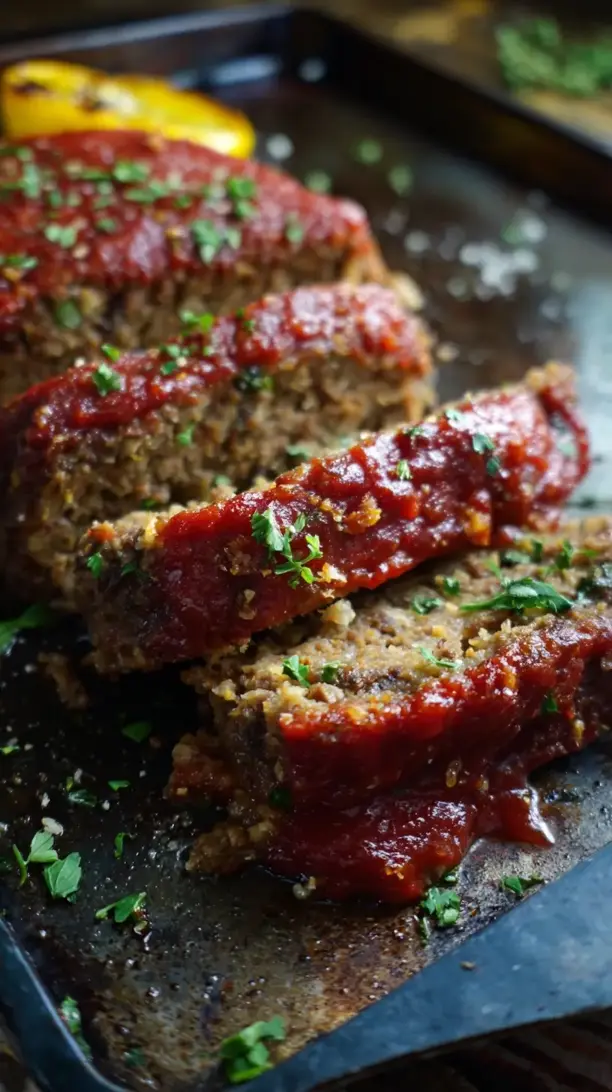
Sheet Pan Meatloaf
Make the best Sheet Pan Meatloaf for a crispy crust and juicy interior with minimal cleanup. Get the easy, foolproof recipe and serve it tonight!
Ingredients
For the Meatloaf:
-
1.5 lbs ground beef (85/15 lean-to-fat ratio is ideal)
-
1 cup panko breadcrumbs
-
2/3 cup whole milk
-
1 large yellow onion (finely diced)
-
2 large cloves garlic (minced)
-
2 large eggs (lightly beaten)
-
2 tbsp Worcestershire sauce
-
1 tbsp Dijon mustard
-
1 tsp dried thyme
-
1.5 tsp kosher salt
-
0.5 tsp freshly ground black pepper
For the Glaze:
-
0.5 cup ketchup
-
2 tbsp brown sugar
-
1 tbsp apple cider vinegar
Instructions
-
Prepare the Panade and Sauté Aromatics. In your large mixing bowl, combine the panko breadcrumbs and milk. Stir it and then let it sit for about 5-10 minutes to allow the breadcrumbs to fully absorb the liquid—this is your panade, the key to tenderness. Meanwhile, heat a small skillet over medium heat with a tiny drizzle of oil. Add the finely diced onion and cook for 5-7 minutes until softened and translucent. Stir in the minced garlic and cook for just one more minute until fragrant. Let this mixture cool slightly before adding it to the meat. This step takes the raw edge off the onions and deepens their flavor.01
-
Combine the Meatloaf Mixture. To the bowl with your now-softened panade, add the ground beef, the slightly cooled onion and garlic mixture, the lightly beaten eggs, Worcestershire sauce, Dijon mustard, dried thyme, kosher salt, and black pepper. Now, the most important part: use your hands to gently mix everything together. I know it’s messy, but it’s the best tool for the job! Mix just until you no longer see streaks of egg or big pockets of breadcrumbs. Overmixing is the enemy of a tender meatloaf, so stop the moment it looks combined.02
-
Shape the Loaf on the Sheet Pan. Line your rimmed baking sheet with parchment paper. Transfer the meat mixture to the center of the prepared pan. Use your hands to shape it into a loaf that’s about 9 inches long, 5 inches wide, and roughly 1 ½ inches tall. You’re aiming for a uniform thickness so it cooks evenly. Don’t pack it down too firmly—a light touch helps keep the texture open and tender. Make sure there’s space around the entire loaf on the pan for air to circulate and for that beautiful browning to happen all over.03
-
Make and Apply the Glaze. In a small bowl, whisk together the ketchup, brown sugar, and apple cider vinegar until the sugar has dissolved and the mixture is smooth. The vinegar adds a lovely tang that cuts through the sweetness. Using a spoon or a pastry brush, spread about two-thirds of this glaze evenly over the top and sides of the unbaked meatloaf. Reserve the remaining glaze for later. This first layer will caramelize and bake right into the crust, creating a sticky, finger-licking-good finish.04
-
Bake to Perfection. Place the sheet pan in a preheated 375°F (190°C) oven. Bake for 25 minutes. Then, carefully remove the pan from the oven. The meatloaf should be firm to the touch and starting to brown. Brush the reserved glaze over the top. Return the pan to the oven and bake for another 5-10 minutes, or until the internal temperature of the meatloaf reaches 160°F (71°C) when checked with an instant-read thermometer inserted into the thickest part. The glaze will be bubbly and dark around the edges.05
-
Rest and Serve. Once out of the oven, transfer the meatloaf on the parchment paper to a cutting board. This is a non-negotiable step—let it rest for a full 10 minutes before you even think about slicing it. This allows the juices to redistribute throughout the meat, ensuring every single slice is moist and holds its shape beautifully when you cut into it.06
Not what you're looking for?