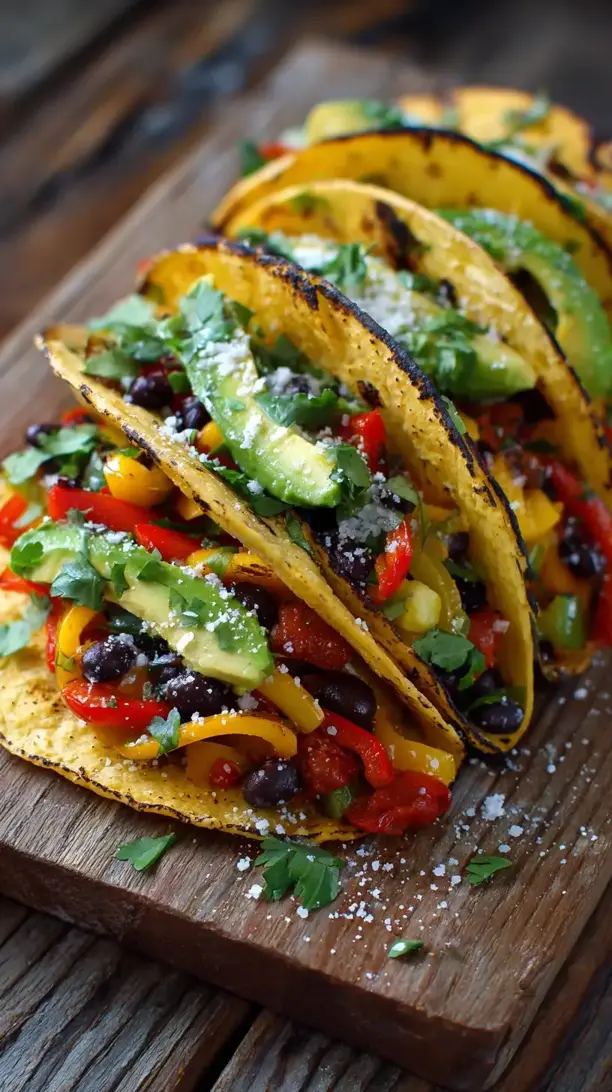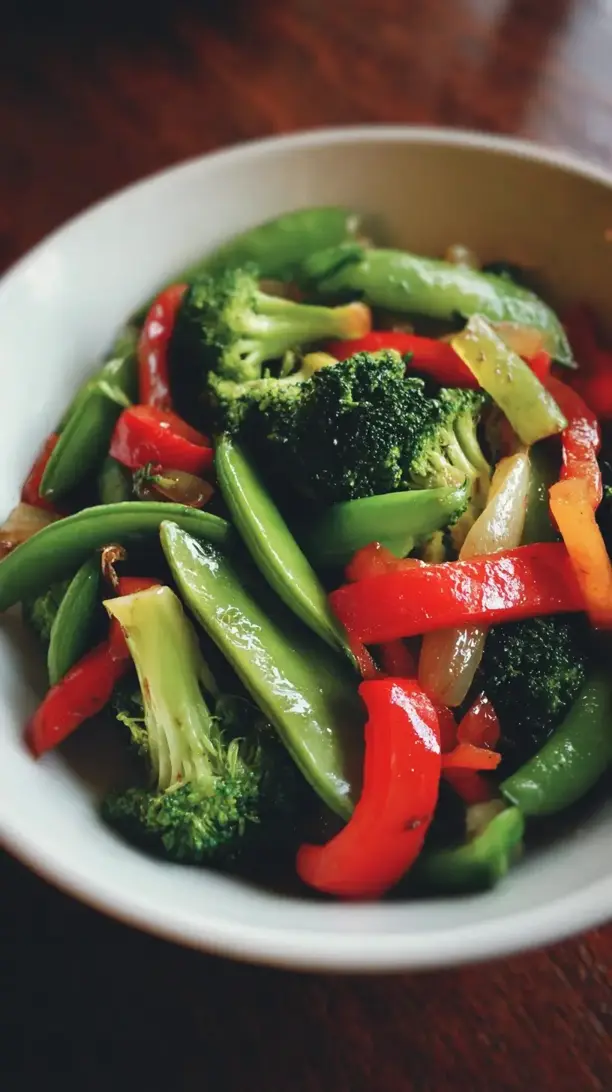
There’s something deeply satisfying about a good stir-fry—the sizzle, the aroma, the vibrant colors. This Simple Veggie Stir-Fry Noodles recipe is a quick, flexible meal that comes together in one pan with minimal effort. It’s the perfect blank canvas for whatever veggies you have on hand.
Love Simple Veggie Stir-Fry Noodles? So do we! If you're into Dinner Ideas or curious about Chicken Thigh Recipes, you'll find plenty of inspiration below.



Why You’ll Love This Simple Veggie Stir-Fry Noodles
Fast & flexible: Ready in under 30 minutes with easy veggie swaps.
Perfect texture: Tender-crisp veggies and chewy noodles in a glossy sauce.
Flavor bomb sauce: Savory, slightly sweet, and addictive from pantry staples.
Light & satisfying: Packed with veggies for comfort food that energizes.
Ingredients & Tools
For the Stir-Fry
- 200 g dried rice noodles or lo mein noodles
- 1 tbsp sesame oil (plus extra for drizzling)
- 2 cloves garlic, minced
- 1 tbsp fresh ginger, grated
- 1 red bell pepper, thinly sliced
- 1 medium carrot, julienned
- 150 g broccoli florets
- 100 g shiitake mushrooms, sliced
- 2 spring onions, sliced (separate whites and greens)
For the Sauce
- 3 tbsp soy sauce (or tamari)
- 1 tbsp rice vinegar
- 1 tsp chili garlic sauce (or sriracha)
- 1 tsp coconut sugar or maple syrup
- 2 tbsp water
Tools: A large wok or a very large skillet, a pot for boiling noodles, a small bowl for mixing the sauce.
Notes: Don’t skip the fresh ginger and garlic—they form the aromatic base. Chili garlic sauce adds subtle warmth.
Honestly, the beauty here is in the fresh aromatics—don’t skip the fresh ginger and garlic, as they form the aromatic base of the entire dish. And that little bit of chili garlic sauce? It doesn’t make it overly spicy, I promise; it just adds a lovely, subtle warmth in the background that really makes the other flavors pop.
Nutrition (per serving)
| Calories: | 320 kcal |
| Protein: | 8 g |
| Fat: | 6 g |
| Carbs: | 58 g |
| Fiber: | 5 g |
Serves: 3 | Prep Time: 15 mins | Cook Time: 10 mins | Total Time: 25 mins
Before You Start: Tips & Ingredient Notes
- Prep everything before you fire up the wok. Stir-frying is a fast process with no time to stop and chop. Having your veggies pre-cut and your sauce mixed and ready to go is the single most important step for success.
- What’s the best noodle to use? I love flat rice noodles for their chewy texture, but lo mein, soba, or even whole wheat spaghetti will work beautifully. Just be sure to cook them al dente, as they’ll soften a bit more when tossed in the sauce later.
- Don’t be shy with the high heat. A screaming hot wok is what gives you that signature “wok hei” or breath of the wok—a slightly smoky, charred flavor that elevates the entire dish. If your pan isn’t hot enough, the vegetables will steam and become soggy.
- Customize your veggie lineup. This recipe is a guideline, not a strict rulebook. Got some snap peas? Toss them in. Some cabbage? Absolutely. Zucchini? Why not! Use what you love and what needs using up.
How to Make Simple Veggie Stir-Fry Noodles
Step 1: First, get your noodles cooking according to the package directions. For rice noodles, this usually means pouring boiling water over them and letting them soak for 5-8 minutes until pliable but still with a bit of bite. Once they’re done, drain them thoroughly and toss with just a tiny drizzle of sesame oil to prevent them from sticking together into one big clump. Set them aside while you work on the stir-fry.
Step 2: While the noodles are hydrating, mix your sauce. In a small bowl or a measuring jug, whisk together the soy sauce, rice vinegar, chili garlic sauce, coconut sugar, and water until the sugar has dissolved. Doing this now means you won’t be fumbling with bottles later when everything in the wok is cooking at lightning speed. Taste it—you should get a hit of salty, then a touch of sweet, and a gentle warmth at the end.
Step 3: Now, heat your wok or large skillet over the highest heat possible. You want it really hot—a drop of water should sizzle and evaporate on contact. Add the tablespoon of sesame oil and swirl it around to coat the surface. The second it shimmers, add the minced garlic, grated ginger, and the white parts of your spring onions. Stir-fry for just 30 seconds until incredibly fragrant. Be careful not to burn them!
Step 4: Time for the hard vegetables. Toss in your carrot and broccoli florets. These take a little longer to cook, so you’ll want to keep them moving in the hot wok for about 2-3 minutes. You’ll notice the bright green of the broccoli intensifying and the carrots becoming just slightly softer. This high-heat blast gives them a beautiful sear while keeping their crunch.
Step 5: Next, add the softer vegetables—the bell pepper and shiitake mushrooms. Continue to stir-fry for another 2 minutes. The mushrooms will start to release their liquid and then re-absorb it, taking on a lovely golden-brown color and a meaty texture. The peppers should still have a nice snap to them. You’re building layers of texture here.
Step 6: Here comes the main event. Push all the vegetables to one side of the wok. Pour your pre-mixed sauce into the empty space. It will immediately sizzle, bubble, and reduce slightly—this is what we want! Let it cook for about 30 seconds to thicken ever so slightly and become glossy.
Step 7: Now, add your drained noodles to the wok. Using a pair of tongs or two forks, gently toss everything together—the vegetables, the reduced sauce, and the noodles. Keep tossing for a minute or two until every single noodle strand is coated in that gorgeous, glossy sauce and everything is heated through.
Step 8: Take the wok off the heat immediately. Stir in the green parts of your spring onions for a fresh, sharp finish. Give it one final toss, and then it’s ready to serve. Dish it up into bowls while it’s still steaming hot for the ultimate experience.
Storage & Freshness Guide
- Fridge: Store in an airtight container for up to 3 days.
- Freezer: Freeze for up to 1 month; noodles may soften upon thawing.
- Reviving: Reheat in a hot wok with a splash of water to refresh texture.
Serving Suggestions
Complementary Dishes
- A simple cucumber salad — The cool, crisp, and slightly acidic crunch of a quick-pickled cucumber salad is the perfect counterpoint to the warm, savory noodles.
- Pan-seared tofu or tempeh — For an extra protein boost, add some cubes of crispy, golden-brown tofu or tempeh right on top. They’ll soak up the sauce beautifully.
- Steamed edamame — A bowl of lightly salted, steamed edamame pods on the side makes for a fun, interactive, and healthy starter that everyone loves.
Drinks
- Jasmine green tea — Its delicate, floral notes help to cleanse the palate between bites and complement the Asian-inspired flavors without overpowering them.
- A crisp lager or a pale ale — The carbonation and slight bitterness of a cold beer cut through the richness of the stir-fry sauce perfectly.
- Sparkling water with lime — Sometimes, all you need is something clean and bubbly to refresh your taste buds, making each bite of the stir-fry taste as vibrant as the first.
Something Sweet
- Mango sorbet — The bright, tropical sweetness and icy texture of a good mango sorbet is a fantastic, light way to finish the meal on a refreshing note.
- Dark chocolate-covered ginger — This combines a little spice with a touch of bitter sweetness, echoing the ginger in the stir-fry and providing a sophisticated end to your dinner.
- A few fresh lychees — Peeling and eating these juicy, floral fruits feels like a treat and their unique flavor profile aligns wonderfully with the meal’s theme.
Top Mistakes to Avoid
- Overcrowding the pan. If you dump all the vegetables in at once, the temperature of your wok will plummet, and you’ll end up steaming them instead of stir-frying. Cook in batches if your pan is on the smaller side.
- Using soggy, overcooked noodles. This is a classic error. Your noodles should be al dente when you drain them, because they will continue to cook and soften when you toss them with the hot sauce and veggies in the wok.
- Adding the sauce too early. If you pour the sauce over the raw vegetables, they’ll release too much water and you’ll end up with a soupy, bland mess. Let the veggies get some color first, then add the sauce to the hot pan to let it caramelize.
- Stir-frying with low heat. I’ve messed this up before too… high heat is non-negotiable. It’s what creates that complex, slightly smoky flavor and gives the vegetables their signature crisp-tender texture. Don’t be afraid of the fire!
Expert Tips
- Tip: Toast your aromatics. Let the ginger and garlic sizzle in the oil for that full 30 seconds until they are fragrant but not brown. This step unlocks their essential oils and forms the foundational flavor layer for the entire dish.
- Tip: Add a splash of noodle water. When you’re tossing the noodles with the sauce and veggies, add a tablespoon or two of the starchy water you cooked the noodles in. It will help the sauce cling to the noodles like a dream, making everything silkier.
- Tip: Finish with fresh herbs. Right before serving, stir in a handful of fresh cilantro or Thai basil leaves. The hit of fresh, herbal aroma will lift the entire dish and make it taste restaurant-quality.
- Tip: Press your tofu properly. If you’re adding tofu, take the time to press it for at least 20 minutes to remove excess water. This is the secret to getting it wonderfully crispy in the pan instead of soft and spongy.
FAQs
Can I make this stir-fry ahead of time?
You can, but it’s truly best served fresh. If you need to, you can prep all the components—chop the veggies, mix the sauce, and cook the noodles—and store them separately in the fridge. When ready to eat, the actual stir-fry process will only take 5 minutes. Reheating leftovers can make the noodles a bit soft, but it’s still tasty. A quick reheat in a hot wok with a tiny splash of water works better than the microwave.
What’s a good substitute for the chili garlic sauce if I don’t like spice?
No problem at all! You can simply omit it, or replace it with a teaspoon of hoisin sauce for a sweeter, deeper flavor, or even a dash of Worcestershire sauce for a different kind of savory complexity. The goal is just to add another layer of flavor, not necessarily heat.
My stir-fry turned out a bit watery. What happened?
This usually happens for one of two reasons: either your wok wasn’t hot enough, causing the vegetables to steam and release their liquid, or you didn’t drain your noodles thoroughly enough. Make sure to pat your cooked noodles dry with a paper towel if they seem wet, and always ensure your pan is ripping hot before you add the oil.
Can I use frozen vegetables?
You can, but you’ll get a different texture. Frozen veggies contain a lot of water and will almost certainly make your stir-fry soggy. If you must use them, don’t thaw them—add them straight from the freezer to the hot wok and increase the cooking time by a minute or two to cook off the excess moisture.
How can I make this dish gluten-free?
It’s super easy! Just ensure you’re using gluten-free tamari instead of regular soy sauce, and check that your noodles are certified gluten-free (100% rice noodles are a safe bet). All the other ingredients are naturally gluten-free, so with those two simple swaps, you’re good to go.


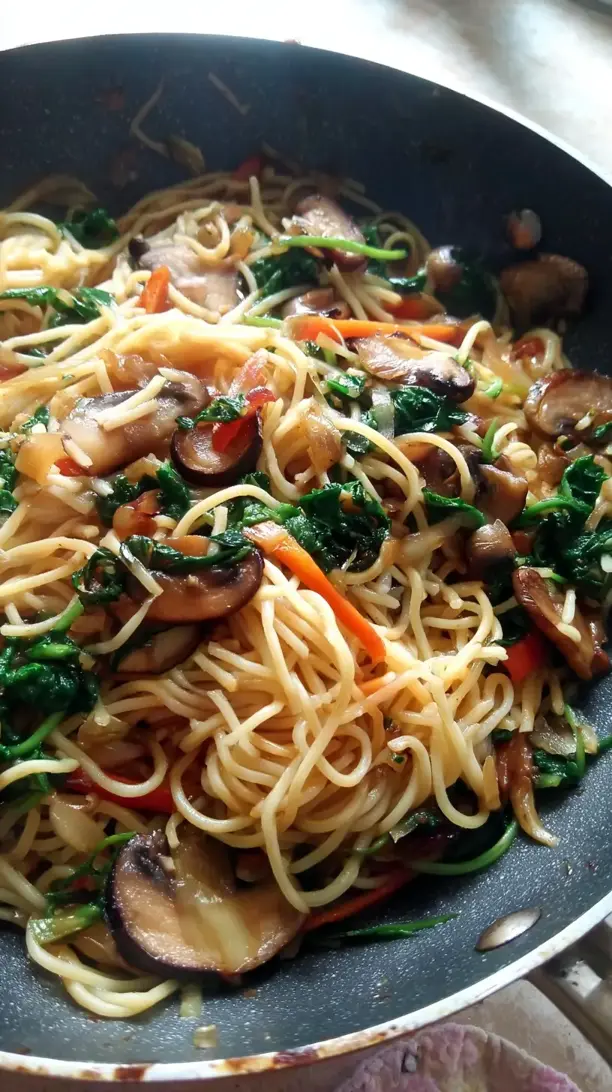
Simple Veggie Stir Fry Noodles
Whip up delicious Simple Veggie Stir-Fry Noodles in under 30 minutes! This easy, customizable recipe is packed with flavor. Get the step-by-step guide now!
Ingredients
For the Stir-Fry
-
200 g dried rice noodles or lo mein noodles
-
1 tbsp sesame oil (plus extra for drizzling)
-
2 cloves garlic (minced)
-
1 tbsp fresh ginger (grated)
-
1 red bell pepper (thinly sliced)
-
1 medium carrot (julienned)
-
150 g broccoli florets
-
100 g shiitake mushrooms (sliced)
-
2 spring onions (sliced (separate whites and greens))
For the Sauce
-
3 tbsp soy sauce or tamari
-
1 tbsp rice vinegar
-
1 tsp chili garlic sauce or sriracha
-
1 tsp coconut sugar or maple syrup
-
2 tbsp water
Instructions
-
First, get your noodles cooking according to the package directions. For rice noodles, this usually means pouring boiling water over them and letting them soak for 5-8 minutes until pliable but still with a bit of bite. Once they're done, drain them thoroughly and toss with just a tiny drizzle of sesame oil to prevent them from sticking together into one big clump. Set them aside while you work on the stir-fry.01
-
While the noodles are hydrating, mix your sauce. In a small bowl or a measuring jug, whisk together the soy sauce, rice vinegar, chili garlic sauce, coconut sugar, and water until the sugar has dissolved. Doing this now means you won't be fumbling with bottles later when everything in the wok is cooking at lightning speed. Taste it—you should get a hit of salty, then a touch of sweet, and a gentle warmth at the end.02
-
Now, heat your wok or large skillet over the highest heat possible. You want it really hot—a drop of water should sizzle and evaporate on contact. Add the tablespoon of sesame oil and swirl it around to coat the surface. The second it shimmers, add the minced garlic, grated ginger, and the white parts of your spring onions. Stir-fry for just 30 seconds until incredibly fragrant. Be careful not to burn them!03
-
Time for the hard vegetables. Toss in your carrot and broccoli florets. These take a little longer to cook, so you'll want to keep them moving in the hot wok for about 2-3 minutes. You'll notice the bright green of the broccoli intensifying and the carrots becoming just slightly softer. This high-heat blast gives them a beautiful sear while keeping their crunch.04
-
Next, add the softer vegetables—the bell pepper and shiitake mushrooms. Continue to stir-fry for another 2 minutes. The mushrooms will start to release their liquid and then re-absorb it, taking on a lovely golden-brown color and a meaty texture. The peppers should still have a nice snap to them. You're building layers of texture here.05
-
Here comes the main event. Push all the vegetables to one side of the wok. Pour your pre-mixed sauce into the empty space. It will immediately sizzle, bubble, and reduce slightly—this is what we want! Let it cook for about 30 seconds to thicken ever so slightly and become glossy.06
-
Now, add your drained noodles to the wok. Using a pair of tongs or two forks, gently toss everything together—the vegetables, the reduced sauce, and the noodles. Keep tossing for a minute or two until every single noodle strand is coated in that gorgeous, glossy sauce and everything is heated through.07
-
Take the wok off the heat immediately. Stir in the green parts of your spring onions for a fresh, sharp finish. Give it one final toss, and then it's ready to serve. Dish it up into bowls while it's still steaming hot for the ultimate experience.08
Not what you're looking for?