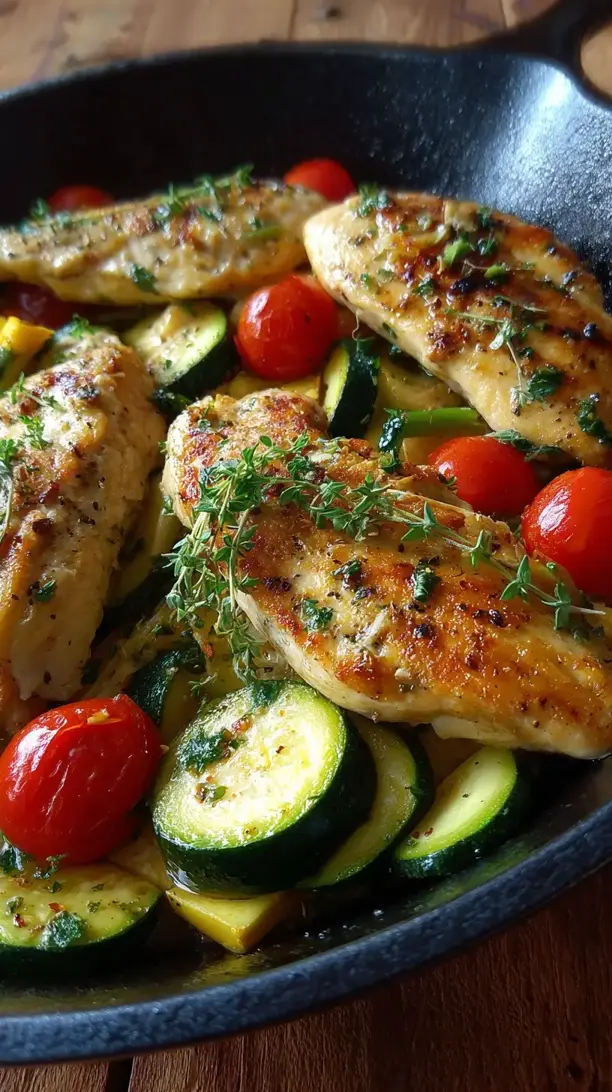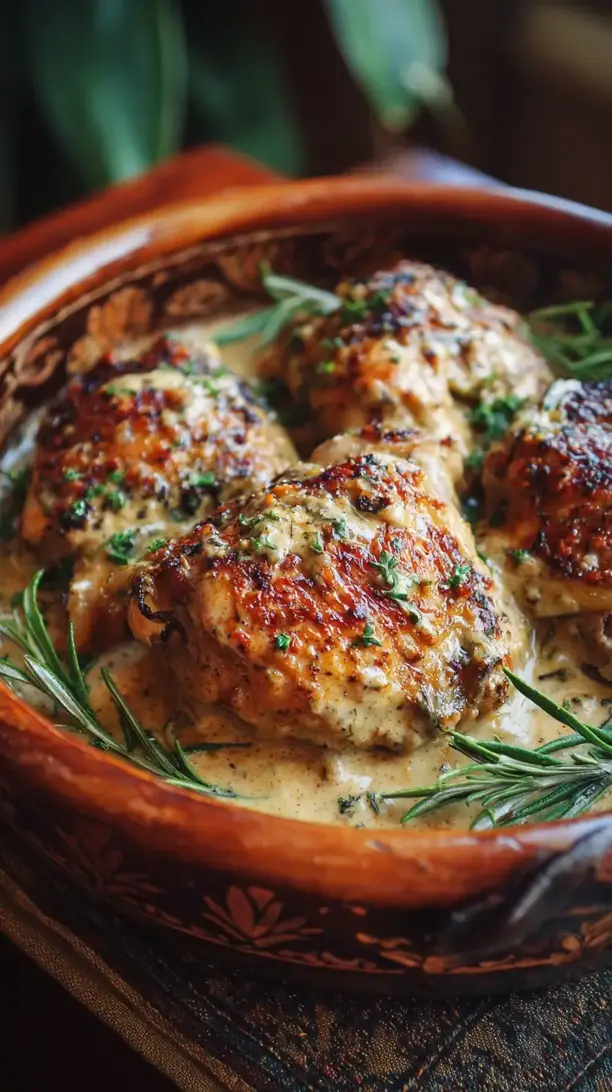
This Carbonara Chicken puts a delicious spin on a classic pasta dish, turning it into a hearty main course. Tender chicken pieces are coated in a silky, creamy egg-and-cheese sauce with crispy pancetta and black pepper. It’s a comforting, impressive meal that comes together easily in one pan.
Love Carbonara Chicken? So do we! If you're into Chicken Breast Recipes or curious about Appetizers & Snacks, you'll find plenty of inspiration below.


Why You’ll Love This Carbonara Chicken
- Comforting & rich: Creamy, cheesy sauce with tender chicken and crispy pancetta feels like a warm hug.
- Surprisingly simple: Straightforward steps ensure a silky, foolproof sauce every time.
- Fancy yet approachable: Tastes restaurant-worthy but is easy to make at home.
- Versatile crowd-pleaser: Great over pasta, with bread, or a salad—adjust pepper to taste.
Ingredients & Tools
- 500 g boneless, skinless chicken breast or thighs, cut into bite-sized pieces
- 150 g pancetta or guanciale, diced
- 3 large egg yolks
- 1 whole egg
- 100 g Pecorino Romano cheese, freshly grated
- 50 g Parmigiano Reggiano, freshly grated
- 2 cloves garlic, minced
- 1 tbsp olive oil
- 1 tsp freshly cracked black pepper, plus more for serving
- Salt to taste
- 2 tbsp fresh parsley, chopped (for garnish)
Tools: A large skillet, mixing bowls, whisk, microplane or box grater, tongs
Notes: Using both Pecorino and Parmigiano adds sharpness and nutty depth. Grate your own cheese for a smoother sauce. Pancetta fat flavors the chicken—don’t skip it.
Nutrition (per serving)
| Calories: | 520 kcal |
| Protein: | 45 g |
| Fat: | 34 g |
| Carbs: | 3 g |
| Fiber: | 0.5 g |
Serves: 4 | Prep Time: 15 minutes | Cook Time: 20 minutes | Total Time: 35 minutes
Before You Start: Tips & Ingredient Notes
- Have everything ready to go. Carbonara-style sauces come together quickly at the end, so you don’t want to be grating cheese or separating eggs while your chicken is cooking. Do all your prep first—this is called “mise en place” and it’s a game-changer for smooth cooking.
- Why both egg yolks and a whole egg? The extra yolks give the sauce incredible richness and a beautiful golden color, while the whole egg helps with emulsification and stability. Trust me, this combo creates the creamiest, most luxurious texture.
- Don’t sub the pancetta with bacon without a tweak. Bacon can be smokier and saltier, which might overpower the delicate cheese sauce. If you must use it, blanch it in boiling water for a minute first to reduce the smokiness, then pat it dry before dicing and frying.
- Temperature is key for the sauce. The biggest fear with carbonara is scrambling the eggs. The trick is to take the pan off the heat before adding the egg-cheese mixture and to use the residual heat to gently cook the sauce. I’ll guide you through it step-by-step.
- Freshly crack that pepper! Pre-ground black pepper just doesn’t have the same aromatic punch. Taking the extra minute to freshly crack your peppercorns makes a world of difference in flavor—you’ll really taste it.
How to Make Carbonara Chicken
Step 1: Start by preparing your sauce base. In a medium bowl, whisk together the 3 egg yolks and 1 whole egg until well combined and slightly frothy. Then, whisk in the freshly grated Pecorino and Parmigiano cheeses and the freshly cracked black pepper. The mixture will be thick and paste-like—that’s perfectly normal. Set this aside near your stove.
Step 2: Cook the pancetta. Place your large, cold skillet over medium heat and add the diced pancetta. Let it cook slowly, rendering out the fat and becoming crispy. This should take about 5-7 minutes. You’ll notice the fat melting and the pieces turning a beautiful golden brown. Use a slotted spoon to remove the pancetta, leaving the rendered fat in the pan. Set the crispy pancetta aside on a paper towel-lined plate.
Step 3: Cook the chicken. There should be about a tablespoon or two of rendered fat in the skillet. If it looks a bit scant, add the olive oil. Increase the heat to medium-high. Pat your chicken pieces dry and season them lightly with salt. Carefully add them to the hot skillet in a single layer—don’t overcrowd the pan; you might need to do this in two batches. Sear the chicken for about 4-5 minutes per side, until it’s golden brown and cooked through. The internal temperature should reach 74°C. Remove the chicken from the pan and set it aside on a clean plate.
Step 4: Create the flavor base. Reduce the heat to low. If there’s a lot of fat left in the pan, you can pour off all but about a tablespoon. Add the minced garlic to the skillet and sauté for just 30-60 seconds until it’s fragrant. You have to watch it closely—garlic burns in a flash! This quick step infuses the remaining fat with a subtle garlic aroma that will carry through the entire dish.
Step 5: The crucial sauce moment. Take the skillet completely off the heat. Let it cool for about a minute—this is important to prevent the eggs from scrambling. Now, quickly add the cooked chicken and the crispy pancetta back into the pan. Give it a gentle toss to combine everything and warm the ingredients through with the residual heat.
Step 6: Temper the egg mixture. Here’s the pro move: take a spoonful of the hot pan drippings and slowly drizzle it into your bowl of egg and cheese mixture while whisking constantly. This slowly raises the temperature of the eggs. Do this with two more spoonfuls. Now, pour the tempered egg mixture over the chicken and pancetta in the skillet.
Step 7: Create the creamy sauce. Working quickly, use tongs or a spatula to toss and stir everything together. The residual heat from the pan and the chicken will gently cook the eggs, transforming them into a smooth, glossy, creamy sauce that clings to every piece of chicken. If the sauce seems too thick, you can add a tablespoon of warm water to loosen it. Taste and adjust seasoning with salt if needed.
Step 8: Serve immediately. Transfer your Carbonara Chicken to warm plates. Garnish with a final crack of black pepper and a sprinkle of fresh parsley. The sauce is best enjoyed right away while it’s hot and luxuriously creamy.
Storage & Freshness Guide
- Fridge: Store leftovers in an airtight container for up to 2 days. The sauce will thicken.
- Freezer: Not recommended—the creamy sauce may separate and become grainy upon thawing.
- Reviving: Gently reheat in a skillet over very low heat, adding a splash of water or cream to loosen the sauce.
Serving Suggestions
Complementary Dishes
- Garlic Bread or Focaccia — Perfect for mopping up every last bit of that delicious creamy sauce from your plate. The crispy, buttery bread provides a wonderful textural contrast.
- A Simple Arugula Salad — Tossed with just a squeeze of lemon juice and a drizzle of olive oil, the peppery arugula cuts through the richness of the dish beautifully and adds a fresh, light element.
- Buttered Pappardelle Pasta — For the ultimate carb-lover’s experience, serve the Carbonara Chicken over a bed of wide, ribbon-like pappardelle. The pasta will cradle the sauce and make each bite even more satisfying.
Drinks
- A Crisp Italian White Wine — A Pinot Grigio or Vermentino with its bright acidity and citrus notes helps balance the creamy, salty flavors and cleanses the palate between bites.
- Sparkling Water with Lemon — For a non-alcoholic option, the bubbles and citrus are incredibly refreshing and act as a palate cleanser, making each mouthful of the rich chicken taste new again.
- Light Italian Red — A Chianti Classico, which is not too heavy, can also work wonderfully, its cherry and earthy notes complementing the savory pancetta and cheese.
Something Sweet
- Affogato — A scoop of vanilla gelato or ice cream “drowned” with a shot of hot espresso. It’s simple, elegant, and the bitter coffee is a fantastic follow-up to a rich meal.
- Lemon Sorbet — Incredibly light and zingy, this dessert feels like a fresh reset for your taste buds after the decadent main course.
- Amaretti Cookies — These classic Italian almond cookies are lightly sweet and crunchy, providing a lovely, simple finish without being too heavy.
Top Mistakes to Avoid
- Adding the egg mixture to a piping hot pan. This is the number one reason for scrambled eggs instead of a silky sauce. Always, always remove the pan from the heat and let it cool for a minute. The residual heat is all you need.
- Using pre-grated cheese. Pre-shredded cheese contains anti-caking agents like potato starch or cellulose, which prevent it from melting smoothly into your sauce. This can leave you with a grainy, clumpy texture instead of a velvety one.
- Overcooking the chicken. Since the chicken goes back into the pan at the end, you want to make sure you don’t overcook it during the initial sear. Aim for just cooked through, as it will warm up again later. Dry, tough chicken is a real mood-killer.
- Skipping the tempering step. Drizzling a little hot fat into the egg mixture before adding it to the pan is a crucial insurance policy. It gently raises the eggs’ temperature and makes them much less likely to curdle when they hit the skillet.
Expert Tips
- Tip: Let your eggs come to room temperature. Cold eggs straight from the fridge are more likely to cause a temperature shock when they meet the warm pan, increasing the risk of curdling. Taking them out 20-30 minutes before you start cooking makes a big difference.
- Tip: Use the pan’s residual heat to your advantage. After you’ve taken the pan off the heat, don’t be afraid to keep tossing and stirring for a minute or two. If the sauce isn’t thickening enough, you can place it back on the lowest possible heat for just 10-15 seconds at a time, stirring constantly.
- Tip: Get a good sear on the chicken. Make sure your pan is properly hot before adding the chicken, and don’t move the pieces around for the first few minutes. This creates a flavorful brown crust (the Maillard reaction!) that adds incredible depth to the whole dish.
- Tip: Work quickly and confidently at the sauce stage. Have your cheese mixture ready, your chicken cooked, and your focus entirely on the pan. The final sauce comes together in under a minute, so hesitation can lead to missed timing.
FAQs
Can I make Carbonara Chicken ahead of time?
Honestly, this dish is truly best served immediately. The creamy sauce can become thick and lose its silky texture upon reheating, as the eggs continue to cook. If you absolutely must prep ahead, you can cook the chicken and pancetta and make the cheese mixture separately. Store them in the fridge and then quickly assemble the sauce in the pan just before serving. It’ll take only 5 minutes to bring it all together.
What can I use instead of pancetta?
Guanciale (cured pork cheek) is the most authentic substitute and will give you a fantastic result. If you can’t find either, you can use thick-cut bacon, but I’d recommend blanching it first to tone down the smokiness. For a vegetarian version, try sautéed mushrooms—they provide a wonderful savory, umami depth that mimics the meaty flavor.
My sauce turned out grainy. What happened?
This is almost always due to one of two things: using pre-grated cheese, which doesn’t melt properly, or the pan being too hot when the eggs were added, causing them to curdle. Next time, grate your own cheese and be religious about taking the pan off the heat. Tempering the eggs is your best friend here!
Can I add cream to the sauce?
You can, but then it’s not a true carbonara-style sauce! The classic method uses just eggs, cheese, and pepper to create the creaminess. Adding cream makes it a different, heavier dish (more of an Alfredo). I’d encourage you to try the traditional way first—when done right, it’s incredibly creamy and far more flavorful.
How do I know when the chicken is cooked perfectly?
The best way is to use an instant-read thermometer. You’re aiming for an internal temperature of 74°C. If you don’t have one, cut into the largest piece—the juices should run clear, and the meat should be white all the way through with no pinkness. Remember, it will be going back into the warm pan, so it’s okay if it’s just barely done when you take it out the first time.


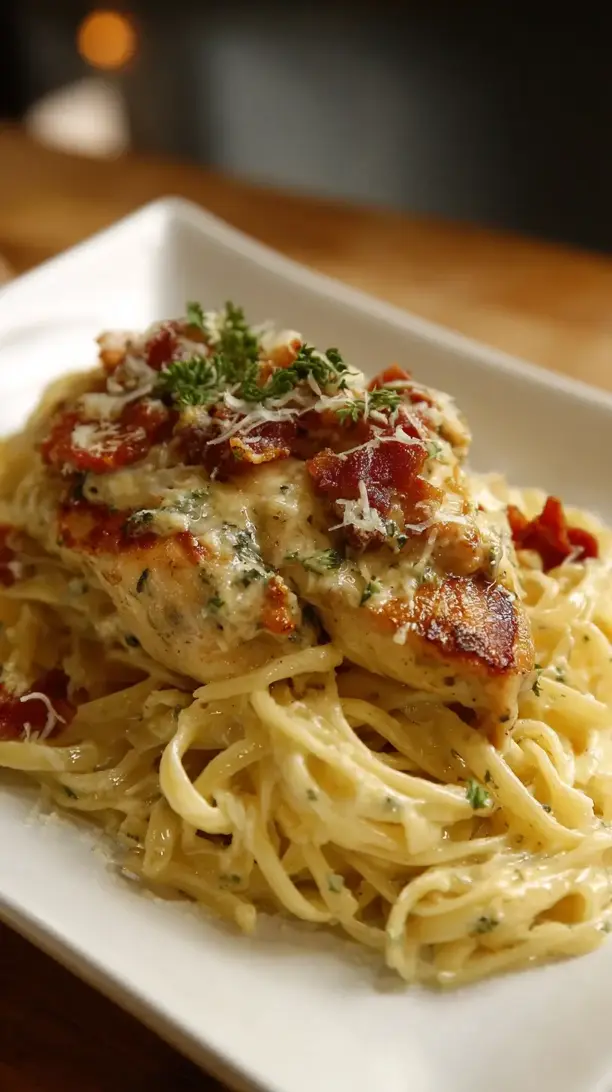
Carbonara Chicken
Make this easy Carbonara Chicken recipe for a rich, creamy dinner in one pan. Tender chicken, crispy pancetta & a silky sauce. Get the recipe now!
Ingredients
For the Ingredients
-
500 g boneless, skinless chicken breast or thighs (cut into bite-sized pieces)
-
150 g pancetta or guanciale (diced)
-
3 large egg yolks
-
1 whole egg
-
100 g Pecorino Romano cheese (freshly grated)
-
50 g Parmigiano Reggiano (freshly grated)
-
2 cloves garlic (minced)
-
1 tbsp olive oil
-
1 tsp freshly cracked black pepper (plus more for serving)
-
Salt (to taste)
-
2 tbsp fresh parsley (chopped (for garnish))
Instructions
-
Start by preparing your sauce base. In a medium bowl, whisk together the 3 egg yolks and 1 whole egg until well combined and slightly frothy. Then, whisk in the freshly grated Pecorino and Parmigiano cheeses and the freshly cracked black pepper. The mixture will be thick and paste-like—that’s perfectly normal. Set this aside near your stove.01
-
Cook the pancetta. Place your large, cold skillet over medium heat and add the diced pancetta. Let it cook slowly, rendering out the fat and becoming crispy. This should take about 5-7 minutes. You’ll notice the fat melting and the pieces turning a beautiful golden brown. Use a slotted spoon to remove the pancetta, leaving the rendered fat in the pan. Set the crispy pancetta aside on a paper towel-lined plate.02
-
Cook the chicken. There should be about a tablespoon or two of rendered fat in the skillet. If it looks a bit scant, add the olive oil. Increase the heat to medium-high. Pat your chicken pieces dry and season them lightly with salt. Carefully add them to the hot skillet in a single layer—don’t overcrowd the pan; you might need to do this in two batches. Sear the chicken for about 4-5 minutes per side, until it’s golden brown and cooked through. The internal temperature should reach 74°C. Remove the chicken from the pan and set it aside on a clean plate.03
-
Create the flavor base. Reduce the heat to low. If there’s a lot of fat left in the pan, you can pour off all but about a tablespoon. Add the minced garlic to the skillet and sauté for just 30-60 seconds until it’s fragrant. You have to watch it closely—garlic burns in a flash! This quick step infuses the remaining fat with a subtle garlic aroma that will carry through the entire dish.04
-
The crucial sauce moment. Take the skillet completely off the heat. Let it cool for about a minute—this is important to prevent the eggs from scrambling. Now, quickly add the cooked chicken and the crispy pancetta back into the pan. Give it a gentle toss to combine everything and warm the ingredients through with the residual heat.05
-
Temper the egg mixture. Here’s the pro move: take a spoonful of the hot pan drippings and slowly drizzle it into your bowl of egg and cheese mixture while whisking constantly. This slowly raises the temperature of the eggs. Do this with two more spoonfuls. Now, pour the tempered egg mixture over the chicken and pancetta in the skillet.06
-
Create the creamy sauce. Working quickly, use tongs or a spatula to toss and stir everything together. The residual heat from the pan and the chicken will gently cook the eggs, transforming them into a smooth, glossy, creamy sauce that clings to every piece of chicken. If the sauce seems too thick, you can add a tablespoon of warm water to loosen it. Taste and adjust seasoning with salt if needed.07
-
Serve immediately. Transfer your Carbonara Chicken to warm plates. Garnish with a final crack of black pepper and a sprinkle of fresh parsley. The sauce is best enjoyed right away while it’s hot and luxuriously creamy.08
Not what you're looking for?